


- Afhalen na 1 uur in een winkel met voorraad
- Gratis thuislevering in België vanaf € 30
- Ruim aanbod met 7 miljoen producten
- Afhalen na 1 uur in een winkel met voorraad
- Gratis thuislevering in België vanaf € 30
- Ruim aanbod met 7 miljoen producten





€ 43,45
+ 86 punten
Omschrijving
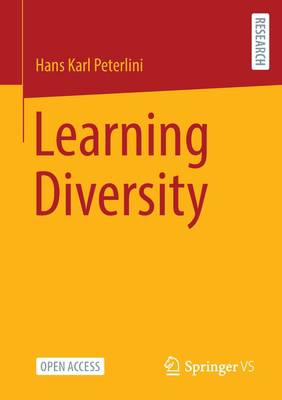
This Open-Access-book explores diversity in its ambivalence. On the one side, we love to describe diversity as a resource for personal, social, economic, and cultural growth. On the other side, categories of differences often lead to discrimination or serve as justifications for privileges. They can cause exclusion and, conversely, promote the self-constitution of discriminated subjects and groups.The book moves within this tension of exclusion and belonging. Case studies of young ethnicized people vividly depict the interwovenness of identity-building and diversity. Theoretically, the book examines the psychosocial and anthropological conditions for constructing the Other. Sharp divisions between We and the Other, between social and national groups, and between humans and nature have devastating, life-threatening consequences. Dichotomous split-offs divide people, nations and the whole world. So, how do we deal with diversity? The author does not provide simple recipesbut engages in a phenomenology of diversity that does not press life and its manifestations into categories but keeps them in a limbo of attention by affirming and doubting differences.
Specificaties
Betrokkenen
- Auteur(s):
- Uitgeverij:
Inhoud
- Aantal bladzijden:
- 219
- Taal:
- Engels
Eigenschappen
- Productcode (EAN):
- 9783658405472
- Verschijningsdatum:
- 11/03/2023
- Uitvoering:
- Paperback
- Formaat:
- Trade paperback (VS)
- Afmetingen:
- 148 mm x 210 mm
- Gewicht:
- 303 g


Alleen bij Standaard Boekhandel
+ 86 punten op je klantenkaart van Standaard Boekhandel
Cadeau

AANGERADEN


Beoordelingen
We publiceren alleen reviews die voldoen aan de voorwaarden voor reviews. Bekijk onze voorwaarden voor reviews.