


- Afhalen na 1 uur in een winkel met voorraad
- Gratis thuislevering in België vanaf € 30
- Ruim aanbod met 7 miljoen producten
- Afhalen na 1 uur in een winkel met voorraad
- Gratis thuislevering in België vanaf € 30
- Ruim aanbod met 7 miljoen producten





€ 40,95
+ 81 punten
Omschrijving
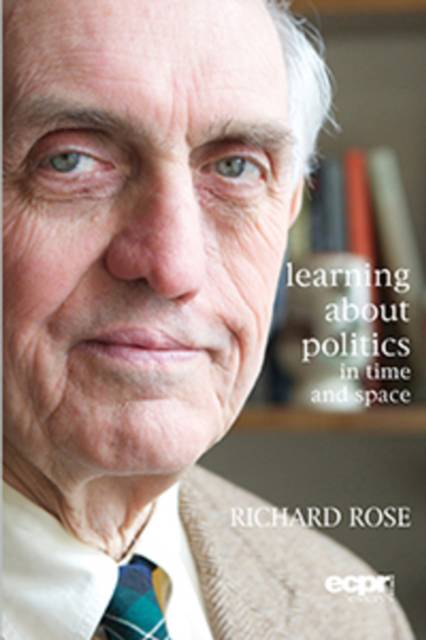
Richard Rose's memoir vividly describes first-hand experience of the transformation of politics in Europe and the United States since 1940. He has been teargassed in Chicago, seen walls go up in Belfast and come down in Berlin. The author's education in the streets and in the corridors of political power give a unique perspective on discrimination by race, religion and class, and the world in which political scientists live today. Rose has distilled a 500-page book into a three-minute Oval Office explanation to George W Bush of why America's intervention in Iraq was a disaster. He gives practical advice to political scientists about how to make words into concepts and communicate what you know to others inside and outside universities. The book's photographs show memorials to the dead, and living evidence of how election forecasting has changed since Delphi. Using skills developed since teaching himself to type at the age of eight, Rose describes his 20 years of working in newspapers, radio and television before publishing his first book. Since then he has combined social science methodology, along with the methodologies of comparative drama and the applied arts, to write many innovative books. This is the latest.
Specificaties
Betrokkenen
- Auteur(s):
- Uitgeverij:
Inhoud
- Aantal bladzijden:
- 210
- Taal:
- Engels
- Reeks:
Eigenschappen
- Productcode (EAN):
- 9781907301476
- Verschijningsdatum:
- 1/11/2013
- Uitvoering:
- Paperback
- Formaat:
- Trade paperback (VS)
- Afmetingen:
- 156 mm x 234 mm
- Gewicht:
- 303 g



Alleen bij Standaard Boekhandel
+ 81 punten op je klantenkaart van Standaard Boekhandel
Cadeau

AANGERADEN


Beoordelingen
We publiceren alleen reviews die voldoen aan de voorwaarden voor reviews. Bekijk onze voorwaarden voor reviews.