


- Afhalen na 1 uur in een winkel met voorraad
- Gratis thuislevering in België vanaf € 30
- Ruim aanbod met 7 miljoen producten
- Afhalen na 1 uur in een winkel met voorraad
- Gratis thuislevering in België vanaf € 30
- Ruim aanbod met 7 miljoen producten





€ 24,99
+ 49 punten
Eenvoudig bestellen
Veilig betalen


Gratis thuislevering vanaf € 30 (via bpost)
Gratis levering in je Standaard Boekhandel
Omschrijving
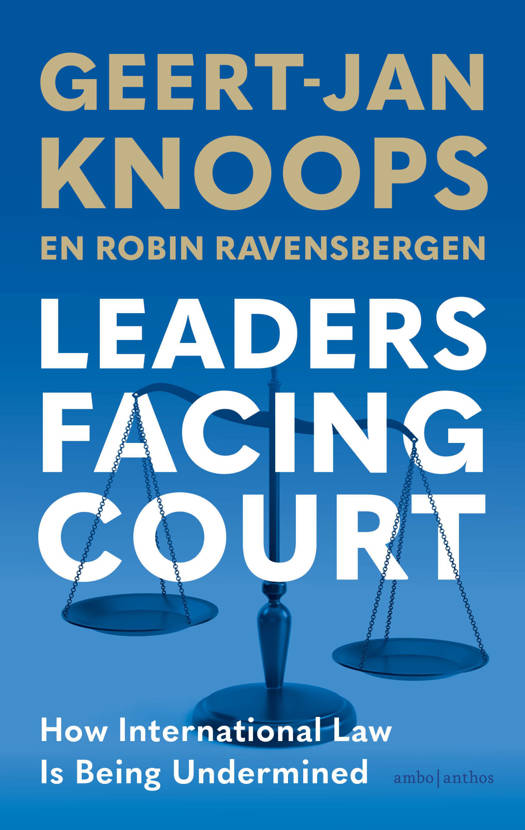
Since the Nuremberg Trials against the leaders of the Nazi regime, international law has undergone a dramatic development. For the first time, political and military leaders were held personally responsible for war crimes and crimes against humanity. Since then, leaders like Augusto Pinochet and Slobodan Miloševic have been prosecuted. Now, international criminal law focuses on incumbent leaders like Vladimir Putin and Benjamin Netanyahu, in an uncertain world where international tribunals are confronted with accusations of selectivity and politicization.
What are the limits of international prosecution? How does the law arrive at the choice to prosecute certain leaders and not others? And what future does international justice hold in an era when the International Criminal Court is increasingly coming under (geo)political pressure?
What are the limits of international prosecution? How does the law arrive at the choice to prosecute certain leaders and not others? And what future does international justice hold in an era when the International Criminal Court is increasingly coming under (geo)political pressure?
Specificaties
Betrokkenen
- Auteur(s):
- Uitgeverij:
Inhoud
- Aantal bladzijden:
- 272
- Taal:
- Engels
Eigenschappen
- Productcode (EAN):
- 9789026374647
- Verschijningsdatum:
- 15/09/2026
- Uitvoering:
- Paperback


Alleen bij Standaard Boekhandel
+ 49 punten op je klantenkaart van Standaard Boekhandel
CADEAU

AANGERADEN


Beoordelingen
We publiceren alleen reviews die voldoen aan de voorwaarden voor reviews. Bekijk onze voorwaarden voor reviews.