


- Afhalen na 1 uur in een winkel met voorraad
- Gratis thuislevering in België vanaf € 30
- Ruim aanbod met 7 miljoen producten
- Afhalen na 1 uur in een winkel met voorraad
- Gratis thuislevering in België vanaf € 30
- Ruim aanbod met 7 miljoen producten




€ 8,09
+ 8 punten
Omschrijving
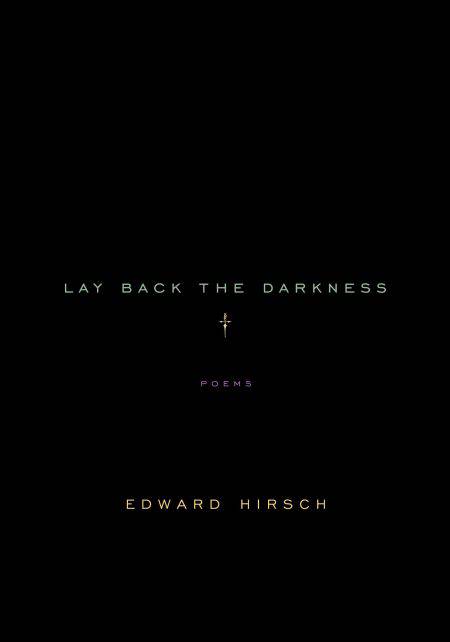
Edward Hirsch’s sixth collection is a descent into the darkness of middle age, narrated with exacting tenderness. He explores the boundaries of human fallibility both in candid personal poems, such as the title piece—a plea for his father, a victim of Alzheimer’s wandering the hallway at night—and in his passionate encounters with classic poetic texts, as when Dante’s Inferno enters his bedroom:
When you read Canto Five aloud last night
in your naked, singsong, fractured Italian,
my sweet compulsion, my carnal appetite,
I suspected we shall never be forgiven
for devouring each other body and soul . . .
From the lighting of a Yahrzeit candle to the drawings by the children of Terezin, Hirsch longs for transcendence in art and in the troubled history of his faith. In “The Hades Sonnets,” the ravishing series that crowns the collection, the poet awakens full of grief in his wife’s arms, but here as throughout, there is a luminous forgiveness in his examination of our sorrows. Taken together, these poems offer a profound engagement with our need to capture what is passing (and past) in the incandescence of language.
When you read Canto Five aloud last night
in your naked, singsong, fractured Italian,
my sweet compulsion, my carnal appetite,
I suspected we shall never be forgiven
for devouring each other body and soul . . .
From the lighting of a Yahrzeit candle to the drawings by the children of Terezin, Hirsch longs for transcendence in art and in the troubled history of his faith. In “The Hades Sonnets,” the ravishing series that crowns the collection, the poet awakens full of grief in his wife’s arms, but here as throughout, there is a luminous forgiveness in his examination of our sorrows. Taken together, these poems offer a profound engagement with our need to capture what is passing (and past) in the incandescence of language.
Specificaties
Betrokkenen
- Auteur(s):
- Uitgeverij:
Inhoud
- Aantal bladzijden:
- 88
- Taal:
- Engels
Eigenschappen
- Productcode (EAN):
- 9780307536990
- Verschijningsdatum:
- 17/12/2008
- Uitvoering:
- E-book
- Beveiligd met:
- Adobe DRM
- Formaat:
- ePub


Alleen bij Standaard Boekhandel
+ 8 punten op je klantenkaart van Standaard Boekhandel
Cadeau

AANGERADEN


Beoordelingen
We publiceren alleen reviews die voldoen aan de voorwaarden voor reviews. Bekijk onze voorwaarden voor reviews.