


- Afhalen na 1 uur in een winkel met voorraad
- Gratis thuislevering in België vanaf € 30
- Ruim aanbod met 7 miljoen producten
- Afhalen na 1 uur in een winkel met voorraad
- Gratis thuislevering in België vanaf € 30
- Ruim aanbod met 7 miljoen producten





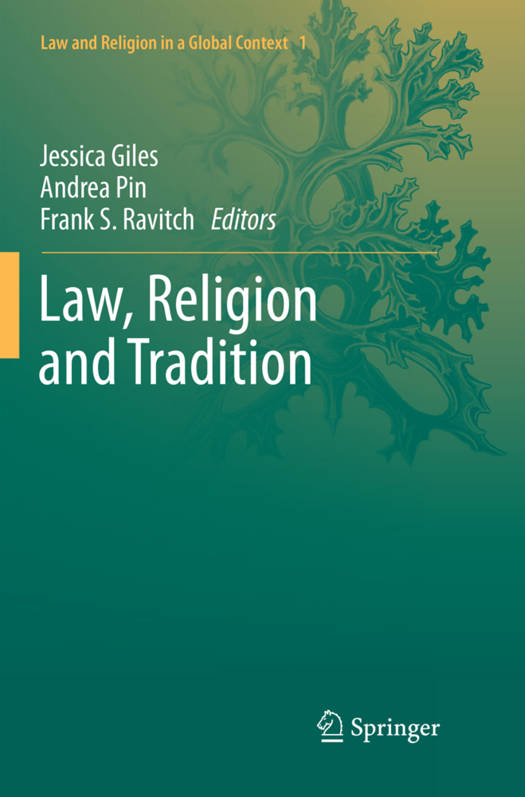
Law, Religion and Tradition
€ 92,45
+ 184 punten
Omschrijving
This book explores different theories of law, religion, and tradition, from both a secular and a religious perspective. It reflects on how tradition and change can affect religious and secular legal reasoning, identifying the patterns of legal evolution within religious and secular traditions.
It is often taken for granted that, even in law, change corresponds and correlates to progress - that things ought to be changed and they will necessarily get better. There is no doubt that legal changes over the centuries have made it possible to enhance the protection of individual rights and to somewhat contain the possibility of tyranny and despotism. But progress is not everything in law: stability and certainty lie at the core of the rule of law. Similarly, religions and religious laws could not survive without traditions; and yet, they still evolve, and their evolution is often intermingled with secular law.
The book asks (and in some ways answers) the questions: What is the role of tradition within religions and religious laws? What is the impact of religious traditions on secular laws, and vice-versa? How are the elements of tradition to be identified? Are they the same within the secular and the religious realm? Do secular law and religious law follow comparable patterns of change? Do their levels of resilience differ significantly? How does the history of religion and law affect changes within religious traditions and legal systems?
The overall focus of the book addresses the extent to which tradition plays a role in shaping and re-shaping secular and religious laws, as well as their mutual boundaries.
It is often taken for granted that, even in law, change corresponds and correlates to progress - that things ought to be changed and they will necessarily get better. There is no doubt that legal changes over the centuries have made it possible to enhance the protection of individual rights and to somewhat contain the possibility of tyranny and despotism. But progress is not everything in law: stability and certainty lie at the core of the rule of law. Similarly, religions and religious laws could not survive without traditions; and yet, they still evolve, and their evolution is often intermingled with secular law.
The book asks (and in some ways answers) the questions: What is the role of tradition within religions and religious laws? What is the impact of religious traditions on secular laws, and vice-versa? How are the elements of tradition to be identified? Are they the same within the secular and the religious realm? Do secular law and religious law follow comparable patterns of change? Do their levels of resilience differ significantly? How does the history of religion and law affect changes within religious traditions and legal systems?
The overall focus of the book addresses the extent to which tradition plays a role in shaping and re-shaping secular and religious laws, as well as their mutual boundaries.
Specificaties
Betrokkenen
- Uitgeverij:
Inhoud
- Aantal bladzijden:
- 191
- Taal:
- Engels
- Reeks:
- Reeksnummer:
- nr. 1
Eigenschappen
- Productcode (EAN):
- 9783030072421
- Verschijningsdatum:
- 26/12/2018
- Uitvoering:
- Paperback
- Formaat:
- Trade paperback (VS)
- Afmetingen:
- 156 mm x 234 mm
- Gewicht:
- 303 g

Alleen bij Standaard Boekhandel
+ 184 punten op je klantenkaart van Standaard Boekhandel
Cadeau

AANGERADEN


Beoordelingen
We publiceren alleen reviews die voldoen aan de voorwaarden voor reviews. Bekijk onze voorwaarden voor reviews.