



- Afhalen na 1 uur in een winkel met voorraad
- In januari gratis thuislevering in België
- Ruim aanbod met 7 miljoen producten
- Afhalen na 1 uur in een winkel met voorraad
- In januari gratis thuislevering in België
- Ruim aanbod met 7 miljoen producten





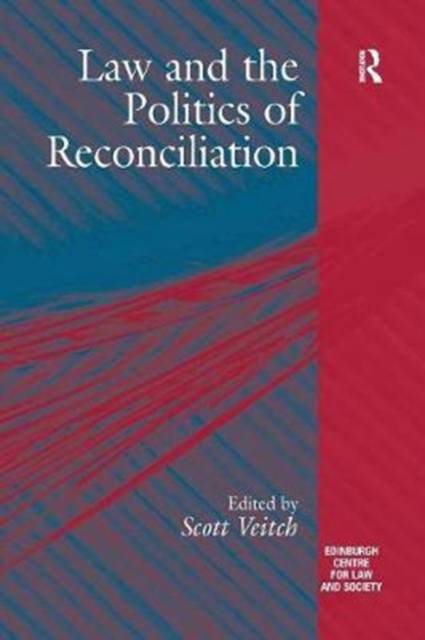
Law and the Politics of Reconciliation
€ 103,95
+ 207 punten
Omschrijving
This collection of essays by an international group of authors explores the ways in which law and legal institutions are used in countries coming to terms with traumatic pasts and, in some cases, traumatic presents. In putting to question what is often taken for granted in uncritical calls for reconciliation, it critically analyses and frequently challenges the political and legal assumptions underlying discourses of reconciliation. Drawing on a broad spectrum of disciplinary and interdisciplinary insights the authors examine how competing conceptions of law, time, and politics are deployed in social transformations and how pressing demands for reconstruction, reconciliation, and justice inform and respond to legal categories and their use of time. The book is genuinely interdisciplinary, drawing on work in politics, philosophy, theology, sociology and law. It will appeal to a wide audience of researchers and academics working in these areas.
Specificaties
Betrokkenen
- Uitgeverij:
Inhoud
- Aantal bladzijden:
- 256
- Taal:
- Engels
- Reeks:
Eigenschappen
- Productcode (EAN):
- 9781138274624
- Verschijningsdatum:
- 30/11/2016
- Uitvoering:
- Paperback
- Formaat:
- Trade paperback (VS)
- Afmetingen:
- 156 mm x 234 mm
- Gewicht:
- 362 g

Alleen bij Standaard Boekhandel
+ 207 punten op je klantenkaart van Standaard Boekhandel
Cadeau

AANGERADEN


Beoordelingen
We publiceren alleen reviews die voldoen aan de voorwaarden voor reviews. Bekijk onze voorwaarden voor reviews.