


- Afhalen na 1 uur in een winkel met voorraad
- Gratis thuislevering in België vanaf € 30
- Ruim aanbod met 7 miljoen producten
- Afhalen na 1 uur in een winkel met voorraad
- Gratis thuislevering in België vanaf € 30
- Ruim aanbod met 7 miljoen producten





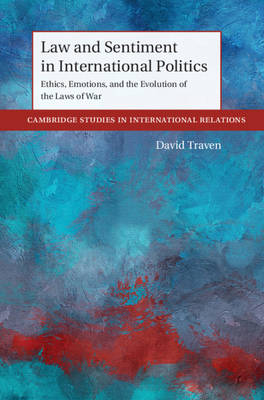
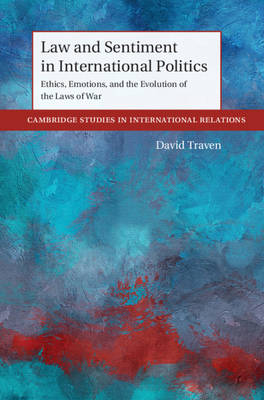
Law and Sentiment in International Politics
Ethics, Emotions, and the Evolution of the Laws of War
David Traven
€ 53,45
+ 106 punten
Uitvoering
Omschrijving
Drawing on recent research in moral psychology and neuroscience, this book argues that universal moral beliefs and emotions shaped the evolution of the laws of war, and in particular laws that protect civilians. It argues that civilian protection norms are not just a figment of the modern West, but that these norms were embryonic in earlier societies and civilizations, including Ancient China, early Islam, and medieval Europe. However, despite their ubiquity, this book argues that civilian protection rules are inherently fragile, and that their fragility lies not just in failures of compliance, but also in how moral emotions shaped the design of the law. The same beliefs and emotions that lead people to judge that it is wrong to intentionally target civilians can paradoxically constitute the basis for excusing states for incidental civilian casualties, or collateral damage. To make the laws of war work better for civilians, this book argues that we need to change how we think about the ethics of killing in war.
Specificaties
Betrokkenen
- Auteur(s):
- Uitgeverij:
Inhoud
- Aantal bladzijden:
- 328
- Taal:
- Engels
- Reeks:
Eigenschappen
- Productcode (EAN):
- 9781108949392
- Verschijningsdatum:
- 21/03/2024
- Uitvoering:
- Paperback
- Formaat:
- Trade paperback (VS)
- Afmetingen:
- 152 mm x 229 mm
- Gewicht:
- 439 g


Alleen bij Standaard Boekhandel
+ 106 punten op je klantenkaart van Standaard Boekhandel
Cadeau

AANGERADEN


Beoordelingen
We publiceren alleen reviews die voldoen aan de voorwaarden voor reviews. Bekijk onze voorwaarden voor reviews.