


- Afhalen na 1 uur in een winkel met voorraad
- Gratis thuislevering in België vanaf € 30
- Ruim aanbod met 7 miljoen producten
- Afhalen na 1 uur in een winkel met voorraad
- Gratis thuislevering in België vanaf € 30
- Ruim aanbod met 7 miljoen producten





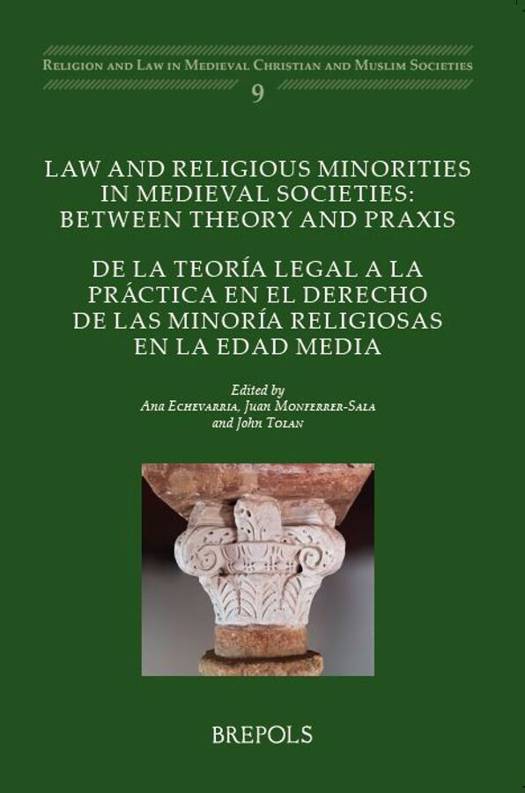
Law and Religious Minorities in Medieval Societies: Between Theory and Praxis
Ana Echevarria
€ 95,40
+ 190 punten
Omschrijving
Muslim law developed a clear legal cadre for dhimmis, inferior but protected non-Muslim communities (in particular Jews and Christians) and Roman Canon law decreed a similar status for Jewish and Muslim communities in Europe. Yet the theoretical hierarchies between faithful and infidel were constantly brought into question in the daily interactions between men and women of different faiths in streets, markets, bath-houses, law courts, etc. The twelve essays in this volume explore these tensions and attempts to resolve them. These contributions show law was used to attempt to erect boundaries between communities in order to regulate or restrict interaction between faithful and non-faithful and at the same time how these boundaries were repeatedly transgressed and negotiated. These essays explore the possibilities and the limits of the use of legal sources for the social historian.
Specificaties
Betrokkenen
- Auteur(s):
- Uitgeverij:
Inhoud
- Aantal bladzijden:
- 239
- Taal:
- Frans
- Reeks:
- Reeksnummer:
- nr. 9
Eigenschappen
- Productcode (EAN):
- 9782503566948
- Verschijningsdatum:
- 22/09/2016
- Uitvoering:
- Paperback
- Formaat:
- Trade paperback (VS)
- Afmetingen:
- 155 mm x 234 mm
- Gewicht:
- 408 g


Alleen bij Standaard Boekhandel
+ 190 punten op je klantenkaart van Standaard Boekhandel
Cadeau

AANGERADEN


Beoordelingen
We publiceren alleen reviews die voldoen aan de voorwaarden voor reviews. Bekijk onze voorwaarden voor reviews.