


- Afhalen na 1 uur in een winkel met voorraad
- Gratis thuislevering in België vanaf € 30
- Ruim aanbod met 7 miljoen producten
- Afhalen na 1 uur in een winkel met voorraad
- Gratis thuislevering in België vanaf € 30
- Ruim aanbod met 7 miljoen producten





€ 162,95
+ 325 punten
Omschrijving
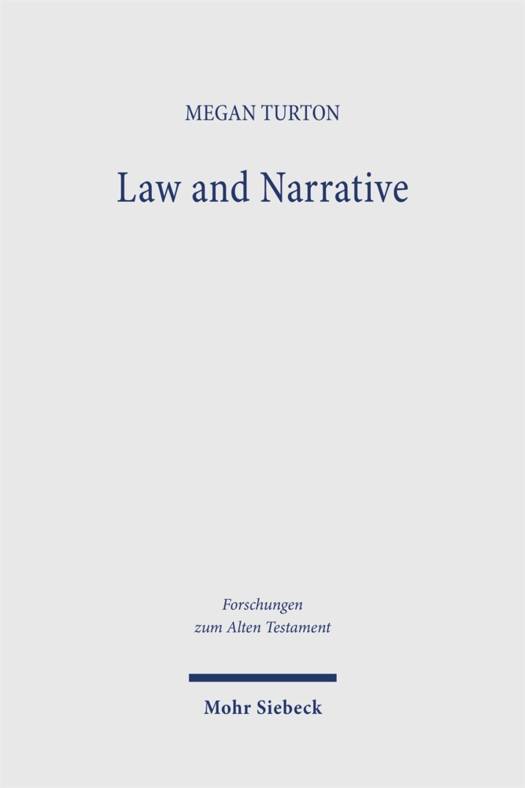
In her work, Megan Turton begins from two emerging consensuses: that biblical law collections, like their ancient Near Eastern counterparts, did not originally operate as binding sources of legislation, and that the text of the Torah remained fluid and pluriform until the Common Era. Against this background, she highlights a neglected issue: how textual instability affects the characterization of biblical law. Focusing on legal and narrative variants in the Hebrew manuscripts of Exodus 19-24 - including the Samaritan Pentateuch, the biblical Qumran Scrolls and the 4QReworked Pentateuch - the author reassesses the extent to which a "law code" model can describe the role of law in the late Second Temple period. She first surveys debates on the nature and functions of cuneiform and biblical collections, emphasizing how modern European ideals of exhaustive, coherent and finite written legislation shape scholarly expectations. Drawing on legal theory and Fernanda Pirie's work in legal anthropology, legal history and comparative law, she proposes an alternative conceptualization of legal writings: "legalism" as a system of meaning-making that does not depend on stable textual form nor on the exclusion of other normative sources such as custom, older law, oral tradition or religious narrative. By analyzing and comparing both the quantity and quality of legal and narrative variants, Megan Turton shows that, although legal texts display somewhat reduced diversity relative to narrative ones, they nevertheless undergo substantial change and are interpreted within broader ideological, theological and literary frameworks. This calls into question the adequacy of legislative models and literalistic interpretation for describing biblical law in the late Second Temple period and beyond.
Specificaties
Betrokkenen
- Auteur(s):
- Uitgeverij:
Inhoud
- Aantal bladzijden:
- 420
- Taal:
- Engels
- Reeks:
Eigenschappen
- Productcode (EAN):
- 9783162000033
- Verschijningsdatum:
- 29/05/2026
- Uitvoering:
- Hardcover
- Formaat:
- Genaaid
- Afmetingen:
- 155 mm x 231 mm
- Gewicht:
- 557 g


Alleen bij Standaard Boekhandel
+ 325 punten op je klantenkaart van Standaard Boekhandel
CADEAU

AANGERADEN


Beoordelingen
We publiceren alleen reviews die voldoen aan de voorwaarden voor reviews. Bekijk onze voorwaarden voor reviews.