


- Afhalen na 1 uur in een winkel met voorraad
- Gratis thuislevering in België vanaf € 30
- Ruim aanbod met 7 miljoen producten
- Afhalen na 1 uur in een winkel met voorraad
- Gratis thuislevering in België vanaf € 30
- Ruim aanbod met 7 miljoen producten





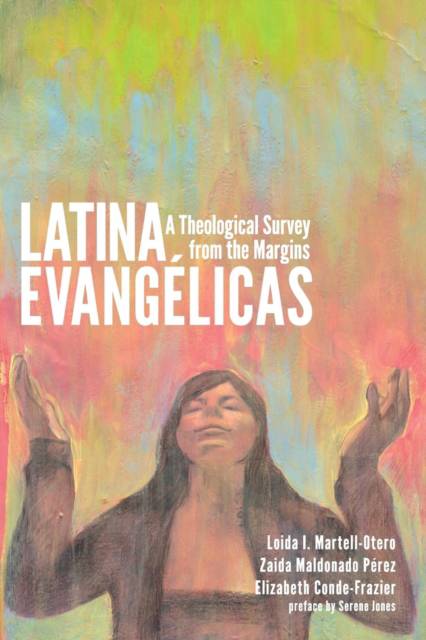
Latina Evangélicas
A Theological Survey from the Margins
Loida Martell-Otero, Zaida Maldonado Pérez, Elizabeth Conde-Frazier
Paperback | Engels
€ 31,95
+ 63 punten
Uitvoering
Omschrijving
Latina Evangelicas: A Theological Survey from the Margins is a constructive and postcolonial examination of the theology of Protestant Latinas who reside in the United States. Written by three Latinas who have pastored and who teach in Latina/o communities, the book seeks to expand beyond Latina feminist and mujerista voices to include those whose perspectives have not yet been heard. It thus introduces an important theological perspective to a wider audience, and provides an important resource that has been lacking for evangelicas/os and other marginalized groups who study in various theological programs. Key terminology, such as evangelica, is defined throughout, and a glossary is included for non-Spanish-speaking readers. Each chapter considers theological themes important to the Latina Protestant worshiping community, beginning with a constructive discussion of the doctrine of the Holy Spirit and followed by the doctrines of salvation and Jesus Christ, the Trinity, the church, Scripture, and "the last things" (eschatology). Given that one of the characteristics of Latina/o theologies is their dialogical and collaborative nature, the book concludes with a conversation among the three authors about the theological thinking that took place in its composition. Study questions are included at the end of each chapter.
Specificaties
Betrokkenen
- Auteur(s):
- Uitgeverij:
Inhoud
- Aantal bladzijden:
- 178
- Taal:
- Engels
Eigenschappen
- Productcode (EAN):
- 9781608991365
- Verschijningsdatum:
- 15/01/2013
- Uitvoering:
- Paperback
- Formaat:
- Trade paperback (VS)
- Afmetingen:
- 152 mm x 229 mm
- Gewicht:
- 272 g



Alleen bij Standaard Boekhandel
+ 63 punten op je klantenkaart van Standaard Boekhandel
Cadeau

AANGERADEN


Beoordelingen
We publiceren alleen reviews die voldoen aan de voorwaarden voor reviews. Bekijk onze voorwaarden voor reviews.