


- Afhalen na 1 uur in een winkel met voorraad
- Gratis thuislevering in België vanaf € 30
- Ruim aanbod met 7 miljoen producten
- Afhalen na 1 uur in een winkel met voorraad
- Gratis thuislevering in België vanaf € 30
- Ruim aanbod met 7 miljoen producten





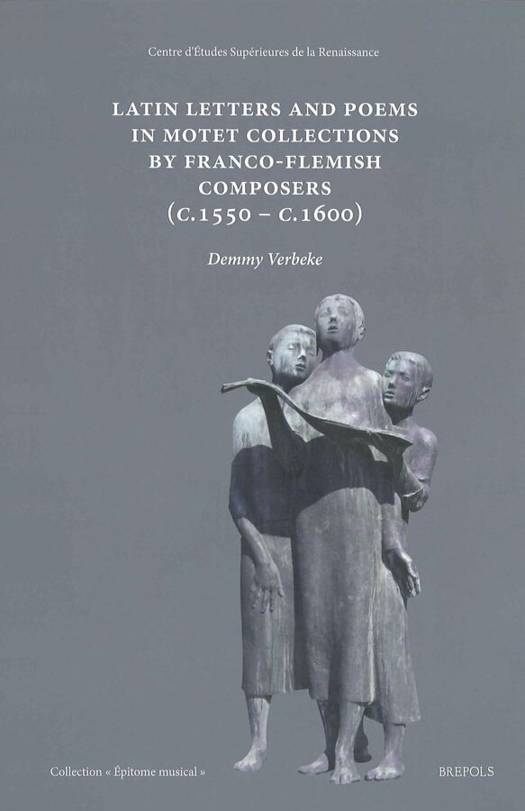
Latin Letters and Poems in Motet Collections by Franco-Flemish Composers (C. 1550- C. 1600)
Demmy Verbeke
€ 58,30
+ 116 punten
Omschrijving
When Renaissance music went to press, the composer or the publisher frequently added at least one paratext, which acted in the same way as blurbs do on the dust-jackets of today's books. Typically, we find a dedicatory epistle, sometimes complemented with a preface to the reader and/or verses in praise of the dedicatee, the composer or the art of music. These texts are a treasure trove of information about Renaissance music and its context. They inform us about the lives of the composers, the publication and function of polyphonic music, and the music theory of the period. But they also read as a who's who of the courts of Europe and the higher echelons of the Church, and reveal networks between composers, printers, patrons of music and celebrated authors such as Jean Dorat, Jacques Gohory and Paulus Melissus Schede.This book offers the first critical edition of more than 150 such liminary texts, all paratexts in printed collections of motets composed by the authoritative representatives of the genre, i.e. polyphonists from the Low Countries.
Specificaties
Betrokkenen
- Auteur(s):
- Uitgeverij:
Inhoud
- Aantal bladzijden:
- 315
- Taal:
- Engels, Latijn
- Reeks:
Eigenschappen
- Productcode (EAN):
- 9782503533636
- Verschijningsdatum:
- 19/04/2010
- Uitvoering:
- Paperback
- Formaat:
- Trade paperback (VS)
- Afmetingen:
- 150 mm x 229 mm
- Gewicht:
- 612 g


Alleen bij Standaard Boekhandel
+ 116 punten op je klantenkaart van Standaard Boekhandel
Cadeau

AANGERADEN


Beoordelingen
We publiceren alleen reviews die voldoen aan de voorwaarden voor reviews. Bekijk onze voorwaarden voor reviews.