


- Afhalen na 1 uur in een winkel met voorraad
- Gratis thuislevering in België vanaf € 30
- Ruim aanbod met 7 miljoen producten
- Afhalen na 1 uur in een winkel met voorraad
- Gratis thuislevering in België vanaf € 30
- Ruim aanbod met 7 miljoen producten





Omschrijving
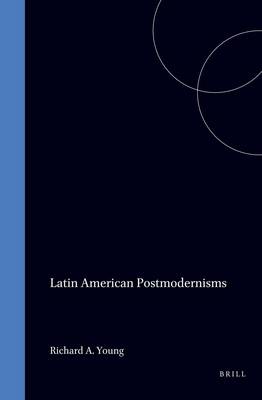
The first essays in this volume locate Latin America within the postmodernism debate by addressing both its position in the theory of the postmodern and the peripheral existence of the continent in light of the globalizing practices of the contemporary world. The next essays focus on the Caribbean and elements of the formation of identity and culture in a group of societies belonging to the same geographic region but confronted with the idiosyncrasies of their colonial histories, the problematics of race and language, and their relation to the politics and cultures of metropolitan powers. There are three essays concerned with re-readings of the first encounters between Europe and America and discussions of more recent fictional representations of the past which attempt to recover the lost Amerindian Other of the Conquest and Colonization and to reveal the constructedness of History. Finally, preceded by two texts on ways of reading and writing in Latin America, the final four essays are concerned with challenges to the discourses of power by Latin American women who re-define the subject and counter the established hegemonies of religion, culture, and social structure both in their writing and political actions. As a collection of essays, this volume will appeal to readers who are interested in Post-modernism as a global phenomenon and in understanding the different forms it takes and the issues it addresses in different cultural environments.
Specificaties
Betrokkenen
- Uitgeverij:
Inhoud
- Aantal bladzijden:
- 284
- Taal:
- Engels
- Reeks:
- Reeksnummer:
- nr. 22
Eigenschappen
- Productcode (EAN):
- 9789042002500
- Verschijningsdatum:
- 1/01/1997
- Uitvoering:
- Paperback
- Formaat:
- Trade paperback (VS)
- Afmetingen:
- 155 mm x 230 mm

Alleen bij Standaard Boekhandel
+ 128 punten op je klantenkaart van Standaard Boekhandel
CADEAU


Beoordelingen
We publiceren alleen reviews die voldoen aan de voorwaarden voor reviews. Bekijk onze voorwaarden voor reviews.