


- Afhalen na 1 uur in een winkel met voorraad
- Gratis thuislevering in België vanaf € 30
- Ruim aanbod met 7 miljoen producten
- Afhalen na 1 uur in een winkel met voorraad
- Gratis thuislevering in België vanaf € 30
- Ruim aanbod met 7 miljoen producten





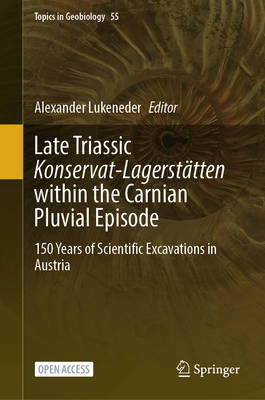
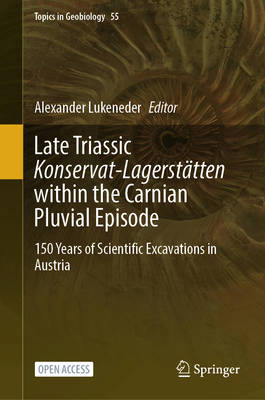
Late Triassic Konservat-Lagerstätten Within the Carnian Pluvial Episode
150 Years of Scientific Excavations in Austria
€ 54,45
+ 108 punten
Omschrijving
This open access book delves into 150 years of research on the Carnian Pluvial Episode (CPE) - a global climatic crisis during the Triassic period, occurring 233-235 million years ago. It explores how this ecological disaster, marked by massive volcanic activity and CO2 emissions, triggered dramatic climate shifts and a mass extinction in Mesozoic oceans. Evidence from rocks and fossils of the Alpine Triassic, particularly in Austria s Northern Calcareous Alps and the Styrian Eisenwurzen UNESCO Global Geopark, reveals the profound impact of this event on marine ecosystems. The narrow geological zone of the Reifling Basin, stretching from Mödling in Lower Austria to Großreifling in Styria, exhibits exceptionally well preserved fossils, including ammonites, squids, mussels, crabs, fish, and even lungfish. Unique discoveries, such as the first evidence of squid cartilage and soft-tissue preservation, make this area a Konservat-Lagerstätten belt with rare and invaluable sites for paleontological study.By analyzing these deposits, the book addresses critical questions: How did colossal volcanic events alter the global climate? What were the consequences for terrestrial and marine ecosystems? The CPE s global influence, spanning two million years, left behind marine sediments that offer glimpses into the greenhouse climate of the Late Triassic. Monsoon-like rains increased sediment runoff into oceans, suffocating reefs and depleting oxygen on the seafloor.With contributions from an international research team, this work combines historical insights with cutting-edge discoveries, offering a comprehensive view of a pivotal moment in Earth s history. It is an essential resource for understanding the interplay between volcanic activity, climate change, and mass extinction.
Specificaties
Betrokkenen
- Uitgeverij:
Inhoud
- Aantal bladzijden:
- 444
- Taal:
- Engels
- Reeks:
- Reeksnummer:
- nr. 55
Eigenschappen
- Productcode (EAN):
- 9783032197764
- Verschijningsdatum:
- 3/08/2026
- Uitvoering:
- Hardcover
- Formaat:
- Genaaid
- Afmetingen:
- 155 mm x 235 mm

Alleen bij Standaard Boekhandel
+ 108 punten op je klantenkaart van Standaard Boekhandel
Cadeau

AANGERADEN


Beoordelingen
We publiceren alleen reviews die voldoen aan de voorwaarden voor reviews. Bekijk onze voorwaarden voor reviews.