


- Afhalen na 1 uur in een winkel met voorraad
- Gratis thuislevering in België vanaf € 30
- Ruim aanbod met 7 miljoen producten
- Afhalen na 1 uur in een winkel met voorraad
- Gratis thuislevering in België vanaf € 30
- Ruim aanbod met 7 miljoen producten





€ 13,88
+ 13 punten
Omschrijving
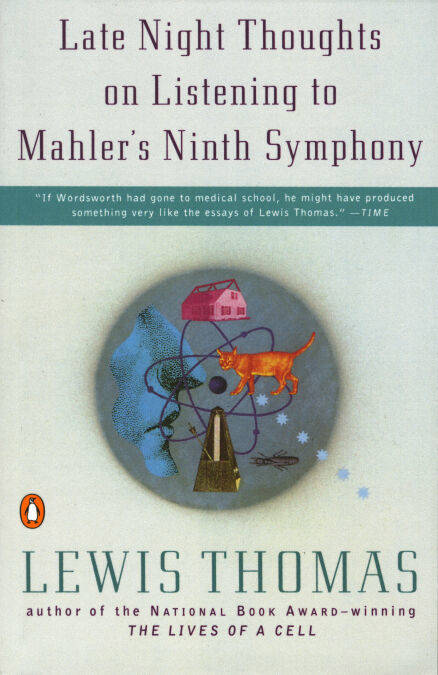
This magnificent collection of essays by scientist and National Book Award-winning writer Lewis Thomas remains startlingly relevant for today’s world. Luminous, witty, and provocative, the essays address such topics as “The Attic of the Brain,” “Falsity and Failure,” “Altruism,” and the effects the federal government’s virtual abandonment of support for basic scientific research will have on medicine and science.
Profoundly and powerfully, Thomas questions the folly of nuclear weaponry, showing that the brainpower and money spent on this endeavor are needed much more urgently for the basic science we have abandoned—and that even medicine’s most advanced procedures would be useless or insufficient in the face of the smallest nuclear detonation. And in the title essay, he addresses himself with terrifying poignancy to the question of what it is like to be young in the nuclear age.
“If Wordsworth had gone to medical school, he might have produced something very like the essays of Lewis Thomas.”—TIME
“No one better exemplifies what modern medicine can be than Lewis Thomas.”—The New York Times Book Review
Profoundly and powerfully, Thomas questions the folly of nuclear weaponry, showing that the brainpower and money spent on this endeavor are needed much more urgently for the basic science we have abandoned—and that even medicine’s most advanced procedures would be useless or insufficient in the face of the smallest nuclear detonation. And in the title essay, he addresses himself with terrifying poignancy to the question of what it is like to be young in the nuclear age.
“If Wordsworth had gone to medical school, he might have produced something very like the essays of Lewis Thomas.”—TIME
“No one better exemplifies what modern medicine can be than Lewis Thomas.”—The New York Times Book Review
Specificaties
Betrokkenen
- Auteur(s):
- Uitgeverij:
Inhoud
- Aantal bladzijden:
- 176
- Taal:
- Engels
Eigenschappen
- Productcode (EAN):
- 9781101667040
- Verschijningsdatum:
- 30/04/1995
- Uitvoering:
- E-book
- Beveiligd met:
- Adobe DRM
- Formaat:
- ePub


Alleen bij Standaard Boekhandel
+ 13 punten op je klantenkaart van Standaard Boekhandel
Cadeau

AANGERADEN


Beoordelingen
We publiceren alleen reviews die voldoen aan de voorwaarden voor reviews. Bekijk onze voorwaarden voor reviews.