


- Afhalen na 1 uur in een winkel met voorraad
- Gratis thuislevering in België vanaf € 30
- Ruim aanbod met 7 miljoen producten
- Afhalen na 1 uur in een winkel met voorraad
- Gratis thuislevering in België vanaf € 30
- Ruim aanbod met 7 miljoen producten





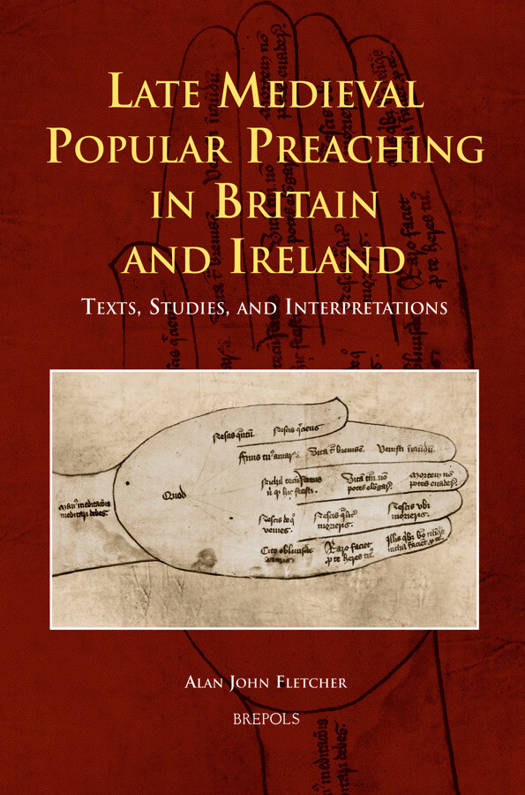
Late Medieval Popular Preaching in Britain and Ireland
Texts, Studies, and Interpretations
Alan John Fletcher
€ 84,80
+ 169 punten
Omschrijving
Sermons and preaching played a key role in forming the religious mentality and outlook of many late medieval men and women. Yet the practice of preaching depended on many variables: the nature and disposition of the audience, the competence of the preacher, and even the stylistic variations that different Orders developed to distinguish their preachers from others. This study and anthology of late medieval popular preaching intended for the laity explores aspects of this diversity by presenting examples of sermons from each of the major wings of the late medieval orthodox Church: the friars, the regulars, the canons regular, the secular canons, and the seculars. It also reveals some of the ways in which this diversity in forms of preaching finds its correlate in the codicological diversity that existed between sermon manuscripts themselves. Late Medieval Popular Preaching in Britain and Ireland illustrates something of the formidable and culturally constitutive force of preaching, and also examines ways in which it impinged on the production of vernacular literature, ultimately revealing the widespread influence of sermon discourse on contingent forms of cultural production and activity.
Specificaties
Betrokkenen
- Auteur(s):
- Uitgeverij:
Inhoud
- Aantal bladzijden:
- 339
- Taal:
- Frans
- Reeks:
- Reeksnummer:
- nr. 5
Eigenschappen
- Productcode (EAN):
- 9782503523910
- Verschijningsdatum:
- 19/03/2010
- Uitvoering:
- Hardcover
- Formaat:
- Genaaid
- Afmetingen:
- 163 mm x 246 mm
- Gewicht:
- 771 g


Alleen bij Standaard Boekhandel
+ 169 punten op je klantenkaart van Standaard Boekhandel
Cadeau

AANGERADEN


Beoordelingen
We publiceren alleen reviews die voldoen aan de voorwaarden voor reviews. Bekijk onze voorwaarden voor reviews.