


- Afhalen na 1 uur in een winkel met voorraad
- Gratis thuislevering in België vanaf € 30
- Ruim aanbod met 7 miljoen producten
- Afhalen na 1 uur in een winkel met voorraad
- Gratis thuislevering in België vanaf € 30
- Ruim aanbod met 7 miljoen producten





€ 121,90
+ 243 punten
Omschrijving
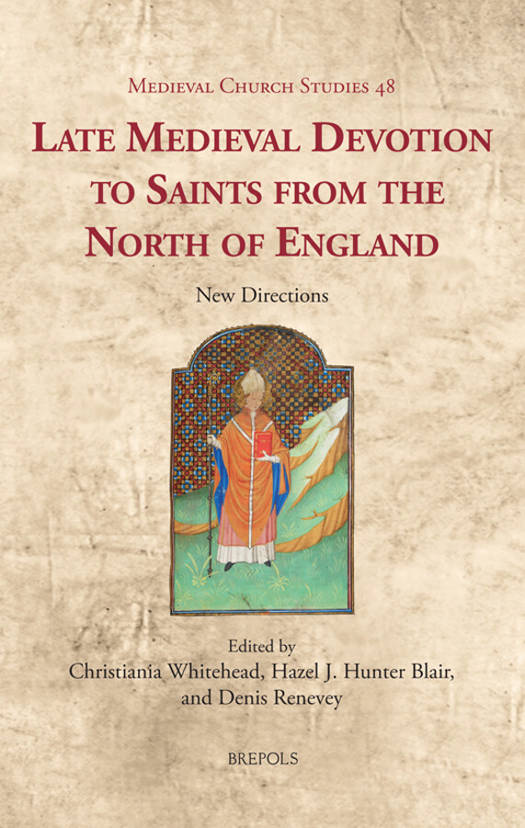
This volume fills an important gap in the study of medieval English sanctity. Focused on the period 1150-1550, it examines later manifestations of pre-conquest northern English cults (John of Beverley, Oswald, Hilda, Aetheldreda etc.), and the establishment and development of many more during the twelfth to fifteenth centuries (Godric of Finchale, Robert of Knaresborough, Oswine of Tynemouth, Aebbe of Coldingham, Bega of Copeland, William of York, etc.). It showcases the diversity of new northern cults that emerged after 1150, and pays particular attention to cultures of episcopal and eremitic devotion and hagiographic production in Yorkshire, Cumbria and Lincolnshire. Divided into five subsections, the volume opens by exploring the relation of sanctity to constructions of northern identity through targeted examinations of northern textual and material cultures. It then turns to a series of case studies of northern saints' cults, grouped with reference to the eremitic life, female networks and locations, and the contextualisation of northern sanctity within national, transnational and post-medieval currents of veneration. Underlying all these essays is a concern with the conflicted idea of 'northernness'. This collection argues for a northern sanctity that is imagined in varying ways by different communities (monastic, diocesan, national etc.), allied to a series of conceptual 'norths' that differ significantly in accordance with the bodies of evidence under survey.
Specificaties
Betrokkenen
- Auteur(s):
- Uitgeverij:
Inhoud
- Aantal bladzijden:
- 456
- Taal:
- Engels
- Reeks:
- Reeksnummer:
- nr. 48
Eigenschappen
- Productcode (EAN):
- 9782503588513
- Verschijningsdatum:
- 6/10/2022
- Uitvoering:
- Hardcover
- Formaat:
- Genaaid
- Afmetingen:
- 160 mm x 240 mm
- Gewicht:
- 907 g


Alleen bij Standaard Boekhandel
+ 243 punten op je klantenkaart van Standaard Boekhandel
CADEAU

AANGERADEN


Beoordelingen
We publiceren alleen reviews die voldoen aan de voorwaarden voor reviews. Bekijk onze voorwaarden voor reviews.