


- Afhalen na 1 uur in een winkel met voorraad
- Gratis thuislevering in België vanaf € 30
- Ruim aanbod met 7 miljoen producten
- Afhalen na 1 uur in een winkel met voorraad
- Gratis thuislevering in België vanaf € 30
- Ruim aanbod met 7 miljoen producten





€ 116,60
+ 233 punten
Omschrijving
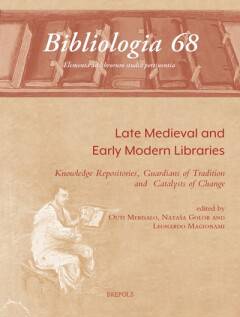
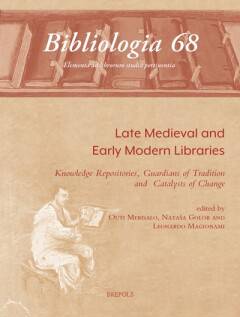
Libraries are an important factor in preserving and transmitting knowledge, thus contributing to historical continuity. The very concept of simultaneous availability of different texts transmitting possibly contradictory ideas, however, implies a great potential for engaging readers in new ways of thinking, thus promoting change. In addition to transmitting texts, historical libraries would often also be perceived as objects of material and spiritual value enhancing the prestige of their owner, e.g. contributing to the image-building of the political entities ruled by emperors, kings and princes. While the history of individual libraries of the Antiquity, the Middle Ages and the Renaissance have been treated in various detail, no large-scale study of the impact of Late Medieval and Early Modern libraries as knowledge repositories and guardians of tradition, on the one hand, and catalysts of change, on the other, seems to exist. This volume, which is inspired by the outcome of the final colloquium of the Lamemoli project held in Siena in March 2022, explores from the book historical point of view a series of both well-known and severely underexplored Late Medieval and Early Modern book collections in existence between c. 1250 and c. 1650, a period of intense mediatic, cultural, religious and political change in Western Europe. Covering an extensive geographical area from France and Italy to Central and Northern Europe, the collections are examined for both their material characteristics and contents, and their historical formation, in order to assess their roles in preserving and transmitting information as well as generating new ideas.
Specificaties
Betrokkenen
- Auteur(s):
- Uitgeverij:
Inhoud
- Aantal bladzijden:
- 341
- Taal:
- Frans
- Reeks:
- Reeksnummer:
- nr. 68
Eigenschappen
- Productcode (EAN):
- 9782503605975
- Verschijningsdatum:
- 24/10/2023
- Uitvoering:
- Hardcover
- Formaat:
- Genaaid
- Gewicht:
- 1469 g


Alleen bij Standaard Boekhandel
+ 233 punten op je klantenkaart van Standaard Boekhandel
Cadeau

AANGERADEN


Beoordelingen
We publiceren alleen reviews die voldoen aan de voorwaarden voor reviews. Bekijk onze voorwaarden voor reviews.