


- Afhalen na 1 uur in een winkel met voorraad
- Gratis thuislevering in België vanaf € 30
- Ruim aanbod met 7 miljoen producten
- Afhalen na 1 uur in een winkel met voorraad
- Gratis thuislevering in België vanaf € 30
- Ruim aanbod met 7 miljoen producten





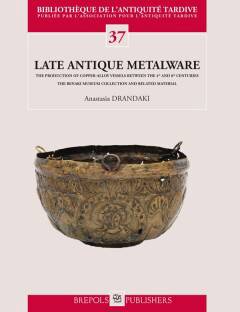
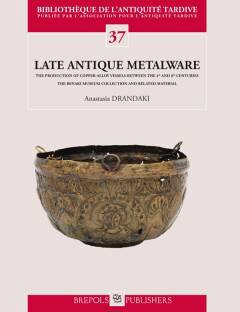
Late Antique Metalware. the Production of Copper-Alloy Vessels Between the 4th and 8th Centuries
The Benaki Museum Collection and Related Material
Anastasia Drandaki
€ 90,10
+ 180 punten
Omschrijving
The book examines the fourth- to eighth-century copper alloy wares in the Benaki Museum, using them as the basis on which a wider debate about the production, circulation and use of copper vessels in Late Antiquity can be built. It is an attempt at a holistic approach to this rich but as yet little studied material. Apart from the necessary typology and dating, the study also includes systematic discussion of questions regarding the alloys used in the manufacture of the copperwares and the techniques employed in their production and decoration. The study of primary sources provided evidence about the late Roman and Medieval Greek terminology associated with each group of objects, as well as interesting information about the distribution of various types of vessels, the context in which they were used and the value their owners placed on them, while also containing useful references to the coppersmiths themselves. Most of the Benaki copperwares were acquired on the Egyptian market and can be connected with the rich local production in the Late Roman and Early Islamic period. Yet the study of these artefacts showed that they have striking similarities with a wide range of archaeological material discovered over an extremely large geographical area, from the Eastern Mediterranean to Italy, Germany, Spain and the UK. The geographical spread of copper alloy wares that follow a parallel development in different parts of the empire and also appear almost contemporaneously in Western European burials reignites the debate on the production centres and subsequent modes of distribution of these artefacts. In turn these issues touch on the long-standing debate on the so-called 'Coptic bronzes' and the actual role of Egypt in the overall production of and trade in these articles in Late Antiquity.
Specificaties
Betrokkenen
- Auteur(s):
- Uitgeverij:
Inhoud
- Aantal bladzijden:
- 410
- Taal:
- Engels
- Reeks:
- Reeksnummer:
- nr. 37
Eigenschappen
- Productcode (EAN):
- 9782503569413
- Verschijningsdatum:
- 11/02/2021
- Uitvoering:
- Paperback
- Formaat:
- Trade paperback (VS)
- Gewicht:
- 1501 g


Alleen bij Standaard Boekhandel
+ 180 punten op je klantenkaart van Standaard Boekhandel
Cadeau

AANGERADEN


Beoordelingen
We publiceren alleen reviews die voldoen aan de voorwaarden voor reviews. Bekijk onze voorwaarden voor reviews.