


- Afhalen na 1 uur in een winkel met voorraad
- Gratis thuislevering in België vanaf € 30
- Ruim aanbod met 7 miljoen producten
- Afhalen na 1 uur in een winkel met voorraad
- Gratis thuislevering in België vanaf € 30
- Ruim aanbod met 7 miljoen producten





€ 41,95
+ 83 punten
Omschrijving
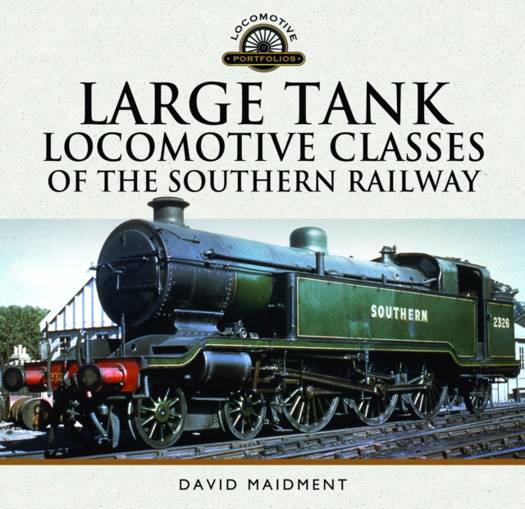
The Southern Railway's tank engine policy and its evolving designs shape a detailed history of pre- and post-Grouping classes and their performance.
The three main constituent companies of the Southern Railway had different policies for tank engine design. The London & South Western built tank engines for suburban, branch and heavy goods work, the London, Brighton and South Coast had many designs for express passenger, mixed traffic and goods work as their main routes were short enough to be resourced by tank engines with limited water capacity and the South Eastern and Chatham ventured into a similar policy in its last days with the 'River' class only for the Southern Railway to be dissuaded from further development following the disastrous Sevenoaks accident in 1927. Unlike the other three post-Grouping railways, the Southern made no further effort to adopt the tank engine design for passenger or mixed traffic purposes apart from Maunsells 'W' and 'Z' for freight and shunting until Bulleid's revolutionary (and unsuccessful) 'Leader' class. This book describes the design, construction, operation and performance of all these pre- and post-Grouping classes and the final adoption of the LMS and BR Standard 2-6-4 and 2-6-2 tank engines to fill the void in the Southern Region's locomotive fleet.
The three main constituent companies of the Southern Railway had different policies for tank engine design. The London & South Western built tank engines for suburban, branch and heavy goods work, the London, Brighton and South Coast had many designs for express passenger, mixed traffic and goods work as their main routes were short enough to be resourced by tank engines with limited water capacity and the South Eastern and Chatham ventured into a similar policy in its last days with the 'River' class only for the Southern Railway to be dissuaded from further development following the disastrous Sevenoaks accident in 1927. Unlike the other three post-Grouping railways, the Southern made no further effort to adopt the tank engine design for passenger or mixed traffic purposes apart from Maunsells 'W' and 'Z' for freight and shunting until Bulleid's revolutionary (and unsuccessful) 'Leader' class. This book describes the design, construction, operation and performance of all these pre- and post-Grouping classes and the final adoption of the LMS and BR Standard 2-6-4 and 2-6-2 tank engines to fill the void in the Southern Region's locomotive fleet.
Specificaties
Betrokkenen
- Auteur(s):
- Uitgeverij:
Inhoud
- Aantal bladzijden:
- 216
- Taal:
- Engels
Eigenschappen
- Productcode (EAN):
- 9781036139520
- Verschijningsdatum:
- 11/06/2026
- Uitvoering:
- Hardcover
- Formaat:
- Genaaid
- Afmetingen:
- 248 mm x 241 mm
- Gewicht:
- 1126 g


Alleen bij Standaard Boekhandel
+ 83 punten op je klantenkaart van Standaard Boekhandel
Cadeau

AANGERADEN


Beoordelingen
We publiceren alleen reviews die voldoen aan de voorwaarden voor reviews. Bekijk onze voorwaarden voor reviews.