


- Afhalen na 1 uur in een winkel met voorraad
- Gratis thuislevering in België vanaf € 30
- Ruim aanbod met 7 miljoen producten
- Afhalen na 1 uur in een winkel met voorraad
- Gratis thuislevering in België vanaf € 30
- Ruim aanbod met 7 miljoen producten




Omschrijving
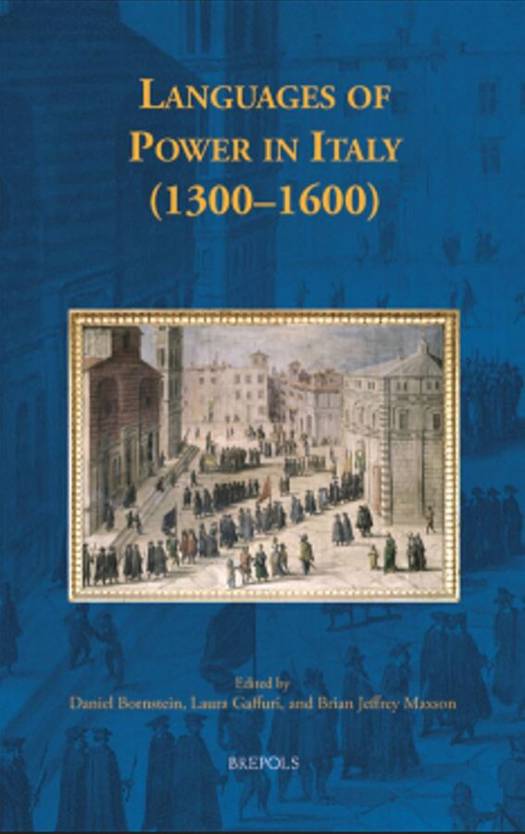
The essays in this collection explore the languages - artistic, symbolic, and ritual, as well as written and spoken - in which power was articulated, challenged, contested, and defended in Italian cities and courts, villages, and countryside, between 1300 and 1600. Topics addressed include court ceremonial, gossip and insult, the performance of sanctity and public devotions, the appropriation and reuse of imagery, and the calculated invocation (and sometimes undermining) of authoritative models and figures. The collection balances a broad geographic and chronological range with a tight thematic focus, allowing the individual contributions to engage in vigorous and fruitful debate with one another even as they speak to some of the central issues in current scholarship. The authors recognize that every institutional action is, in its context, a political act, and that no institution operates disinterestedly. At the same time, they insist on the inadequacy of traditional models, whether Marxian or Weberian, as the complex realities of the early modern state pose tough problems for any narrative of modernization, rationalization, and centralization. The contributors to this volume trained and teach in various countries - Italy, the United States, Canada, the United Kingdom, and Australia - but share a common interest in cultural expressions of power.
Specificaties
Betrokkenen
- Auteur(s):
- Uitgeverij:
Inhoud
- Aantal bladzijden:
- 245
- Taal:
- Engels
- Reeks:
- Reeksnummer:
- nr. 10
Eigenschappen
- Productcode (EAN):
- 9782503540382
- Verschijningsdatum:
- 21/11/2017
- Uitvoering:
- Hardcover
- Formaat:
- Genaaid
- Afmetingen:
- 155 mm x 236 mm
- Gewicht:
- 589 g



Alleen bij Standaard Boekhandel
+ 180 punten op je klantenkaart van Standaard Boekhandel
AANGERADEN


Beoordelingen
We publiceren alleen reviews die voldoen aan de voorwaarden voor reviews. Bekijk onze voorwaarden voor reviews.