


- Afhalen na 1 uur in een winkel met voorraad
- Gratis thuislevering in België vanaf € 30
- Ruim aanbod met 7 miljoen producten
- Afhalen na 1 uur in een winkel met voorraad
- Gratis thuislevering in België vanaf € 30
- Ruim aanbod met 7 miljoen producten




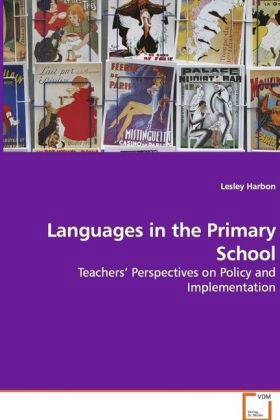
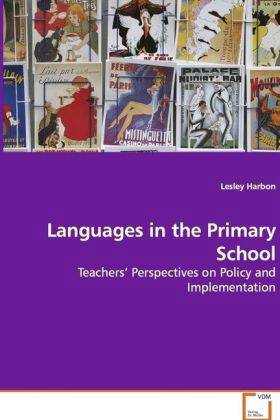
Languages in the Primary School
Teachers Perspectives on Policy and Implementation
Lesley Harbon
Paperback | Engels
€ 77,95
+ 155 punten
Omschrijving
Australia stands alongside Canada, the United States
of America and Great Britain with progress in
developing primary school foreign language programs.
Although the policy in each Australian State and
Territory regarding the inclusion of languages study
in the primary school curriculum varies, each State
and Territory context continues to develop
opportunities for teachers and students to teach and
learn languages, beginning at some point between
Grades 3 and 6. There remains contention, however,
as to the optimum starting age for primary school
languages programs, the suitability of teacher
pedagogies, and effective policy for program
implementation. This book reports chiefly through
three teachers stories how primary school language
teachers were translating policy into practice in
Tasmania, Australia s southern-most state in the mid-
late 1990s. The teachers stories, sitting within a
general exploration of local, national and
international policy provisions, shed light on how
teachers own personal narratives shape the way
policy is implemented, regardless of how policy is
intended.
of America and Great Britain with progress in
developing primary school foreign language programs.
Although the policy in each Australian State and
Territory regarding the inclusion of languages study
in the primary school curriculum varies, each State
and Territory context continues to develop
opportunities for teachers and students to teach and
learn languages, beginning at some point between
Grades 3 and 6. There remains contention, however,
as to the optimum starting age for primary school
languages programs, the suitability of teacher
pedagogies, and effective policy for program
implementation. This book reports chiefly through
three teachers stories how primary school language
teachers were translating policy into practice in
Tasmania, Australia s southern-most state in the mid-
late 1990s. The teachers stories, sitting within a
general exploration of local, national and
international policy provisions, shed light on how
teachers own personal narratives shape the way
policy is implemented, regardless of how policy is
intended.
Specificaties
Betrokkenen
- Auteur(s):
- Uitgeverij:
Inhoud
- Aantal bladzijden:
- 344
- Taal:
- Engels
Eigenschappen
- Productcode (EAN):
- 9783639118698
- Uitvoering:
- Paperback


Alleen bij Standaard Boekhandel
+ 155 punten op je klantenkaart van Standaard Boekhandel
AANGERADEN


Beoordelingen
We publiceren alleen reviews die voldoen aan de voorwaarden voor reviews. Bekijk onze voorwaarden voor reviews.