


- Afhalen na 1 uur in een winkel met voorraad
- Gratis thuislevering in België vanaf € 30
- Ruim aanbod met 7 miljoen producten
- Afhalen na 1 uur in een winkel met voorraad
- Gratis thuislevering in België vanaf € 30
- Ruim aanbod met 7 miljoen producten





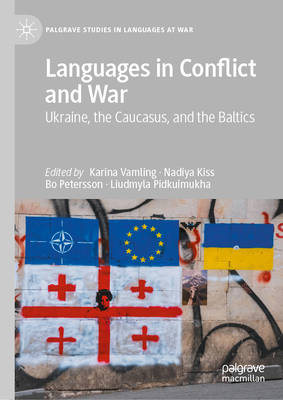
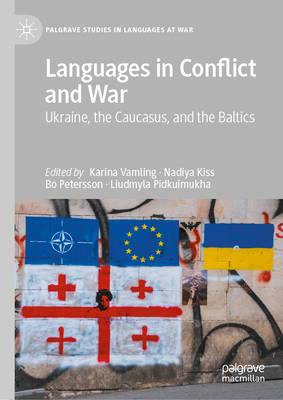
Languages in Conflict and War
Ukraine, the Caucasus, and the Baltics
€ 162,45
+ 324 punten
Omschrijving
This book explores language conflicts in Soviet successor states: Ukraine, the Russian North Caucasus, Georgia, and the Baltics. Current violent developments in these multiethnic countries with their shared legacies of Russian domination highlight the intertwining of language with conflict and war, reflecting confrontation and challenges to peace. It is shown how core values attached to language in identity formation and feelings of belonging or marginalization, along with attitudes to language use by the in-group in contrast to others, are easily subject to politicization. Forced migration, language erasure and shift, central in today's post-Soviet conflicts, are also experienced by minorities in the Russian North Caucasus--such as the Circassians--based on their history of Russian colonization. The book will be of interest to readers in a wide range of fields, including sociolinguistics, language policy, and language contact, as well as identity politics, migration linguistics, state and nation building, area studies, post-Soviet and European studies, political science, international relations, and peace and conflict studies.
Specificaties
Betrokkenen
- Uitgeverij:
Inhoud
- Aantal bladzijden:
- 332
- Taal:
- Engels
- Reeks:
Eigenschappen
- Productcode (EAN):
- 9783032084187
- Verschijningsdatum:
- 15/01/2026
- Uitvoering:
- Hardcover
- Formaat:
- Genaaid
- Afmetingen:
- 148 mm x 210 mm
- Gewicht:
- 580 g

Alleen bij Standaard Boekhandel
+ 324 punten op je klantenkaart van Standaard Boekhandel
Cadeau

AANGERADEN


Beoordelingen
We publiceren alleen reviews die voldoen aan de voorwaarden voor reviews. Bekijk onze voorwaarden voor reviews.