


- Afhalen na 1 uur in een winkel met voorraad
- Gratis thuislevering in België vanaf € 30
- Ruim aanbod met 7 miljoen producten
- Afhalen na 1 uur in een winkel met voorraad
- Gratis thuislevering in België vanaf € 30
- Ruim aanbod met 7 miljoen producten





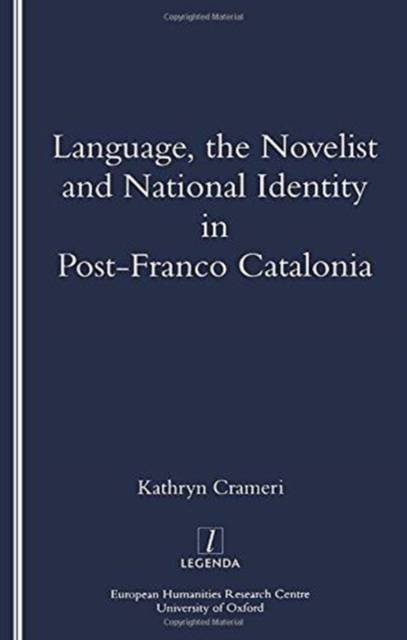
Language, the Novelist and National Identity in Post-Franco Catalonia
Kathryn Crameri
Paperback | Engels
€ 94,95
+ 189 punten
Omschrijving
Kathryn Crameri reveals some of the complex responses of writers and literary critics to the new possibilities for the expression of Catalan identities which resulted from Spain's transition from dictatorship to democracy. The study begins by considering the cultural and political context of the Catalan novel from the 'Renaixenca' to the present day, and then offers a detailed analysis of novels by four very different writers - Montserrat Roig, Manuel de Pedrolo, Juan Marse (who writes in Spanish) and Biel Mesquida - all of whom seem to share an underlying thematic preoccupation with both individual and national 'transitions' and the intricate relationship between language and identity. These writers challenge institutionalised visions of the link between Catalanism, the Catalan language and Catalan literature, and offer a more pluralistic and personalised version of what it is to call oneself a Catalan.
Specificaties
Betrokkenen
- Auteur(s):
- Uitgeverij:
Inhoud
- Aantal bladzijden:
- 220
- Taal:
- Engels
Eigenschappen
- Productcode (EAN):
- 9781900755375
- Verschijningsdatum:
- 1/12/2000
- Uitvoering:
- Paperback
- Formaat:
- Trade paperback (VS)
- Afmetingen:
- 145 mm x 216 mm
- Gewicht:
- 362 g


Alleen bij Standaard Boekhandel
+ 189 punten op je klantenkaart van Standaard Boekhandel
Cadeau

AANGERADEN


Beoordelingen
We publiceren alleen reviews die voldoen aan de voorwaarden voor reviews. Bekijk onze voorwaarden voor reviews.