


Bedankt voor het vertrouwen het afgelopen jaar! Om jou te bedanken bieden we GRATIS verzending (in België) aan op alles gedurende de hele maand januari.
- Afhalen na 1 uur in een winkel met voorraad
- In januari gratis thuislevering in België
- Ruim aanbod met 7 miljoen producten
Bedankt voor het vertrouwen het afgelopen jaar! Om jou te bedanken bieden we GRATIS verzending (in België) aan op alles gedurende de hele maand januari.
- Afhalen na 1 uur in een winkel met voorraad
- In januari gratis thuislevering in België
- Ruim aanbod met 7 miljoen producten





Omschrijving
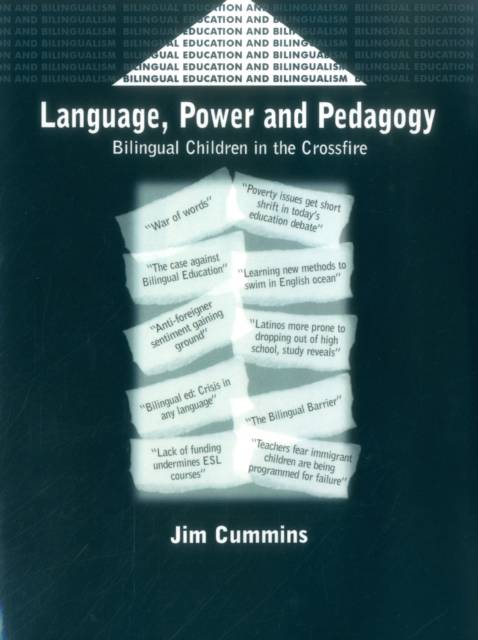
Population mobility is at an all-time high in human history. One result of this unprecedented movement of peoples around the world is that in many school systems monolingual and monocultural students are the exception rather than the rule, particularly in urban areas. This shift in demographic realities entails enormous challenges for educators and policy-makers. What do teachers need to know in order to teach effectively in linguistically and culturally diverse contexts? How long does it take second language learners to acquire proficiency in the language of school instruction? What are the differences between attaining conversational fluency in everyday contexts and developing proficiency in the language registers required for academic success? What adjustments do we need to make in curriculum, instruction and assessment to ensure that second-language learners understand what is being taught and are assessed in a fair and equitable manner? How long do we need to wait before including second-language learners in high-stakes national examinations and assessments? What role (if any) should be accorded students' first language in the curriculum? Do bilingual education programs work well for poor children from minority-language backgrounds or should they be reserved only for middle-class children from the majority or dominant group? In addressing these issues, this volume focuses not only on issues of language learning and teaching but also highlights the ways in which power relations in the wider society affect patterns of teacher-student interaction in the classroom. Effective instruction will inevitably challenge patterns of coercive power relations in both school and society.
Specificaties
Betrokkenen
- Auteur(s):
- Uitgeverij:
Inhoud
- Aantal bladzijden:
- 320
- Taal:
- Engels
- Reeks:
- Reeksnummer:
- nr. 23
Eigenschappen
- Productcode (EAN):
- 9781853594731
- Verschijningsdatum:
- 22/09/2000
- Uitvoering:
- Paperback
- Formaat:
- Trade paperback (VS)
- Afmetingen:
- 188 mm x 244 mm
- Gewicht:
- 612 g


Alleen bij Standaard Boekhandel
+ 128 punten op je klantenkaart van Standaard Boekhandel
SOLDEN


Beoordelingen
We publiceren alleen reviews die voldoen aan de voorwaarden voor reviews. Bekijk onze voorwaarden voor reviews.