


- Afhalen na 1 uur in een winkel met voorraad
- Gratis thuislevering in België vanaf € 30
- Ruim aanbod met 7 miljoen producten
- Afhalen na 1 uur in een winkel met voorraad
- Gratis thuislevering in België vanaf € 30
- Ruim aanbod met 7 miljoen producten





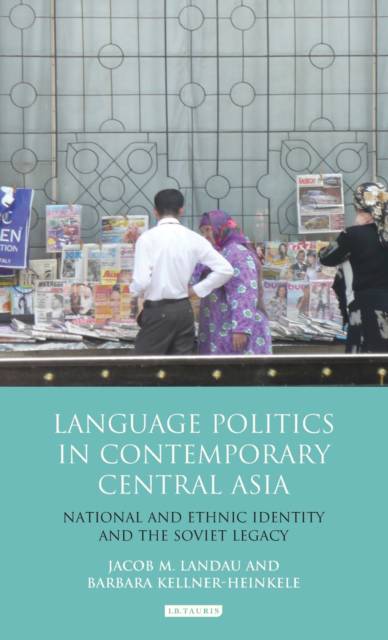
Language Politics in Contemporary Central Asia
National and Ethnic Identity and the Soviet Legacy
Jacob M Landau, Barbara Kellner-Heinkele
€ 322,45
+ 644 punten
Omschrijving
Nationalist leaders in the former Soviet states strive for national identity in both the political and cultural domains. Their language policies contend with Russian-speaking intelligentsias, numerous ethnic minorities and sizeable Russian communities backed by the Russian Federation - all presenting major challenges to facing the legacy of Soviet rule. Drawing on many years of research, interviews with educators and officials, and visits to the region, Barbara Kellner-Heinkele and Jacob M. Landau explore the politics of language and its intersection with identity in Azerbaijan, Kazakhstan, Kyrgyzstan, Tajikistan, Turkmenistan and Uzbekistan. With special attention to language education in schools and universities within each state and debates over bilingualism versus multilingualism, their insights offer researchers of politics, linguistics and Central Asian studies a comprehensive account of a highly politicised debate.
Specificaties
Betrokkenen
- Auteur(s):
- Uitgeverij:
Inhoud
- Aantal bladzijden:
- 288
- Taal:
- Engels
- Reeks:
- Reeksnummer:
- nr. 5
Eigenschappen
- Productcode (EAN):
- 9781848858206
- Verschijningsdatum:
- 13/12/2011
- Uitvoering:
- Hardcover
- Formaat:
- Genaaid
- Afmetingen:
- 145 mm x 218 mm
- Gewicht:
- 476 g


Alleen bij Standaard Boekhandel
+ 644 punten op je klantenkaart van Standaard Boekhandel
Cadeau

AANGERADEN


Beoordelingen
We publiceren alleen reviews die voldoen aan de voorwaarden voor reviews. Bekijk onze voorwaarden voor reviews.