


- Afhalen na 1 uur in een winkel met voorraad
- Gratis thuislevering in België vanaf € 30
- Ruim aanbod met 7 miljoen producten
- Afhalen na 1 uur in een winkel met voorraad
- Gratis thuislevering in België vanaf € 30
- Ruim aanbod met 7 miljoen producten





€ 42,95
+ 85 punten
Omschrijving
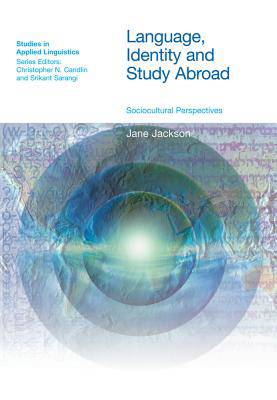
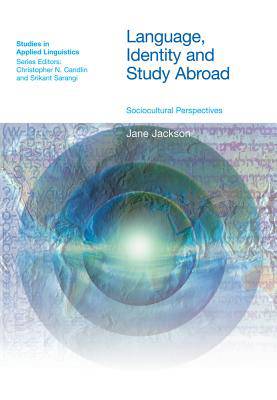
A growing number of foreign language students are taking part in study and residence abroad programs, but what actually happens when they cross cultures in an unfamiliar land? What effect can a sojourn have on their sense of self and their perceptions of the target language and culture? What factors affect their willingness to use the target language in social settings? This book is based on the premise that student sojourners and educators can benefit from a deeper understanding of the language, identity, and cultural factors that impact on the development of intercultural communicative competence and intercultural personhood, a new, alternative identity that is broader, more inclusive, more intercultural - something that will always contain the old and the new side by side to form 'a third kind' - a kind that allows more openness and acceptance of differences in people (Kim, 2001: 232-3). Linking contemporary sociocultural/ identity theories with practice, the relationship between language and cultural learning and identity reconstruction are examined through an ethnographic exploration of the actual experiences of study abroad participants. The book provides a unique, interdisciplinary perspective, addressing issues of importance to professionals in second language acquisition, sociolinguistics, cross-cultural psychology, speech communication, and intercultural communication.
Specificaties
Betrokkenen
- Auteur(s):
- Uitgeverij:
Inhoud
- Aantal bladzijden:
- 256
- Taal:
- Engels
- Reeks:
Eigenschappen
- Productcode (EAN):
- 9781845531423
- Verschijningsdatum:
- 1/12/2008
- Uitvoering:
- Paperback
- Formaat:
- Trade paperback (VS)
- Afmetingen:
- 155 mm x 231 mm
- Gewicht:
- 408 g


Alleen bij Standaard Boekhandel
+ 85 punten op je klantenkaart van Standaard Boekhandel
Cadeau

AANGERADEN


Beoordelingen
We publiceren alleen reviews die voldoen aan de voorwaarden voor reviews. Bekijk onze voorwaarden voor reviews.