


- Afhalen na 1 uur in een winkel met voorraad
- Gratis thuislevering in België vanaf € 30
- Ruim aanbod met 7 miljoen producten
- Afhalen na 1 uur in een winkel met voorraad
- Gratis thuislevering in België vanaf € 30
- Ruim aanbod met 7 miljoen producten





€ 43,45
+ 86 punten
Omschrijving
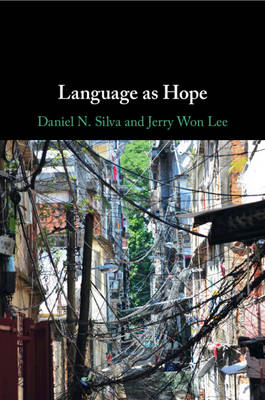
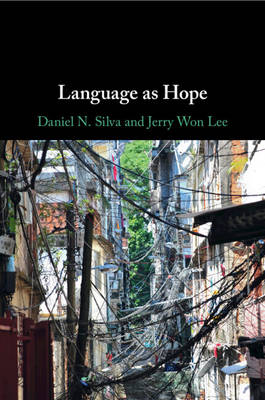
Although it feels like we live in a time of seeming hopelessness, this pioneering book illustrates what language can teach us about the practice, logic, and feasibility of hope in the twenty-first century. Silva and Lee highlight how people living in Brazilian urban peripheries, who have grown accustomed to unrelenting prejudice and violence on an everyday basis, use language to survive and imagine futures that are worth aspiring to. In so doing, this book foregrounds how language becomes a matter of survival for these communities. It provides a thorough theorization of how language can produce conditions of hope, moving away from the idea of language merely as a tool of communication and toward something that can meaningfully impact social realities. Innovative and engaging, it is essential reading for researchers and students in applied linguistics, sociolinguistics and linguistic anthropology. This title is also available as open access on Cambridge Core.
Specificaties
Betrokkenen
- Auteur(s):
- Uitgeverij:
Inhoud
- Aantal bladzijden:
- 199
- Taal:
- Engels
Eigenschappen
- Productcode (EAN):
- 9781009306546
- Verschijningsdatum:
- 28/08/2025
- Uitvoering:
- Paperback
- Formaat:
- Trade paperback (VS)
- Afmetingen:
- 152 mm x 229 mm
- Gewicht:
- 272 g


Alleen bij Standaard Boekhandel
+ 86 punten op je klantenkaart van Standaard Boekhandel
Cadeau

AANGERADEN


Beoordelingen
We publiceren alleen reviews die voldoen aan de voorwaarden voor reviews. Bekijk onze voorwaarden voor reviews.