


- Afhalen na 1 uur in een winkel met voorraad
- Gratis thuislevering in België vanaf € 30
- Ruim aanbod met 7 miljoen producten
- Afhalen na 1 uur in een winkel met voorraad
- Gratis thuislevering in België vanaf € 30
- Ruim aanbod met 7 miljoen producten




€ 112,95
+ 225 punten
Uitvoering
Omschrijving
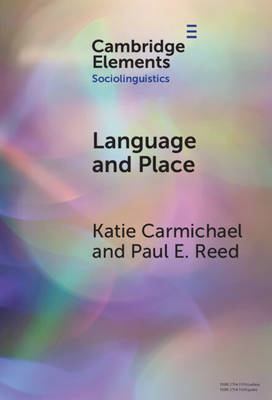
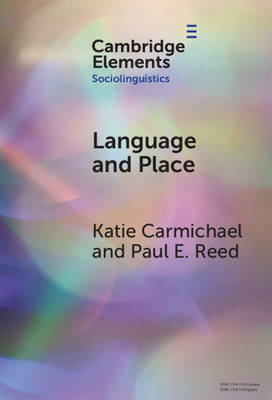
Place has been central to sociolinguistic research from the beginning. How speakers conceptualize and orient to place can influence linguistic productions. Additionally, places can and do have myriad meanings - some strongly contested. Further, place is not static, as people move and the ideologies regarding certain places evolve over time. This Element probes these themes. It begins by reviewing the existing work on language and place within sociolinguistics according to key themes in the literature - place orientation, gentrification, globalization, and commodification, amongst others. Then it introduces key concepts and frameworks for studying place within allied fields such as geography, sociology, architecture, and psychology. Each author then presents a case study of language and place within their respective field sites: rural Appalachia and Greater New Orleans. The authors end by identifying areas for future development of place theory within sociolinguistics. This title is also available as Open Access on Cambridge Core.
Specificaties
Betrokkenen
- Auteur(s):
- Uitgeverij:
Inhoud
- Aantal bladzijden:
- 114
- Taal:
- Engels
- Reeks:
Eigenschappen
- Productcode (EAN):
- 9781009517287
- Verschijningsdatum:
- 20/02/2025
- Uitvoering:
- Hardcover
- Formaat:
- Genaaid
- Afmetingen:
- 152 mm x 229 mm
- Gewicht:
- 322 g


Alleen bij Standaard Boekhandel
+ 225 punten op je klantenkaart van Standaard Boekhandel
AANGERADEN


Beoordelingen
We publiceren alleen reviews die voldoen aan de voorwaarden voor reviews. Bekijk onze voorwaarden voor reviews.