


- Afhalen na 1 uur in een winkel met voorraad
- Gratis thuislevering in België vanaf € 30
- Ruim aanbod met 7 miljoen producten
- Afhalen na 1 uur in een winkel met voorraad
- Gratis thuislevering in België vanaf € 30
- Ruim aanbod met 7 miljoen producten





€ 120,95
+ 241 punten
Uitvoering
Omschrijving
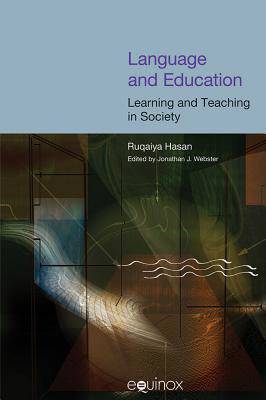
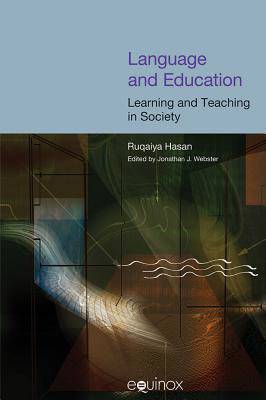
The last two decades have seen a good deal of work in educational linguistics, which has created a deeper understanding of how language works in different varieties of discourse and what a teacher needs to know for engaging successfully in language education. In this sense, the focus has been largely on instructional discourse - i.e., what is to be taught. The chapters of this book attempt to widen the field by focussing on who is being taught. After all, the true active element in the processes of education is the learner. Children have already acquired specific ways of learning, long before they enter the classroom, and in pluralistic societies learning styles vary systematically across communities. This book argues on the one hand the need to attend to the different voices in the classroom, and on the other to encourage an attitude of enquiry which creates awareness of the power of discourse in maintaining and/or changing societies.
Specificaties
Betrokkenen
- Auteur(s):
- Uitgeverij:
Inhoud
- Aantal bladzijden:
- 408
- Taal:
- Engels
- Reeks:
Eigenschappen
- Productcode (EAN):
- 9781904768371
- Verschijningsdatum:
- 1/09/2011
- Uitvoering:
- Hardcover
- Formaat:
- Genaaid
- Afmetingen:
- 160 mm x 236 mm
- Gewicht:
- 793 g


Alleen bij Standaard Boekhandel
+ 241 punten op je klantenkaart van Standaard Boekhandel
Cadeau

AANGERADEN


Beoordelingen
We publiceren alleen reviews die voldoen aan de voorwaarden voor reviews. Bekijk onze voorwaarden voor reviews.