


- Afhalen na 1 uur in een winkel met voorraad
- Gratis thuislevering in België vanaf € 30
- Ruim aanbod met 7 miljoen producten
- Afhalen na 1 uur in een winkel met voorraad
- Gratis thuislevering in België vanaf € 30
- Ruim aanbod met 7 miljoen producten





€ 30,45
+ 60 punten
Omschrijving
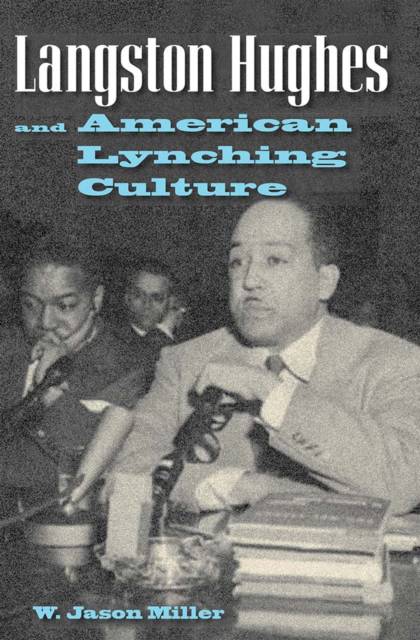
"Provides the sort of historically and culturally informed critical discussion and close readings which African American literature still sorely needs."--A. Yemisi Jimoh, University of Massachusetts, Amherst "A comprehensive study of the centrality of lynching to Hughes's artistic development, aesthetics, and activism. Scholars and general readers alike will find it a fascinating and indispensable addition to their understanding of the work of this brilliant poet."--Anne Rice, CUNY-Lehman College Langston Hughes never knew of an America where lynching was absent from the cultural landscape. Jason Miller investigates the nearly three dozen poems written by Hughes on the subject of lynching to explore its varying effects on survivors, victims, and accomplices as they resisted, accepted, and executed this brutal form of sadistic torture. Starting from Hughes's life as a teenager during the Red Summer of 1919 and moving through the civil rights movement that took place toward the end of Hughes's life, Miller initiates an important dialogue between America's neglected history of lynching and some of the world's most significant poems. This extended study of the centrality of these heinous acts to Hughes's artistic development, aesthetics, and activism represents a significant and long-overdue contribution to our understanding of the art and politics of Langston Hughes.
Specificaties
Betrokkenen
- Auteur(s):
- Uitgeverij:
Inhoud
- Aantal bladzijden:
- 184
- Taal:
- Engels
Eigenschappen
- Productcode (EAN):
- 9780813041520
- Verschijningsdatum:
- 15/02/2012
- Uitvoering:
- Paperback
- Formaat:
- Trade paperback (VS)
- Afmetingen:
- 152 mm x 229 mm
- Gewicht:
- 276 g


Alleen bij Standaard Boekhandel
+ 60 punten op je klantenkaart van Standaard Boekhandel
Cadeau

AANGERADEN


Beoordelingen
We publiceren alleen reviews die voldoen aan de voorwaarden voor reviews. Bekijk onze voorwaarden voor reviews.