


- Afhalen na 1 uur in een winkel met voorraad
- Gratis thuislevering in België vanaf € 30
- Ruim aanbod met 7 miljoen producten
- Afhalen na 1 uur in een winkel met voorraad
- Gratis thuislevering in België vanaf € 30
- Ruim aanbod met 7 miljoen producten





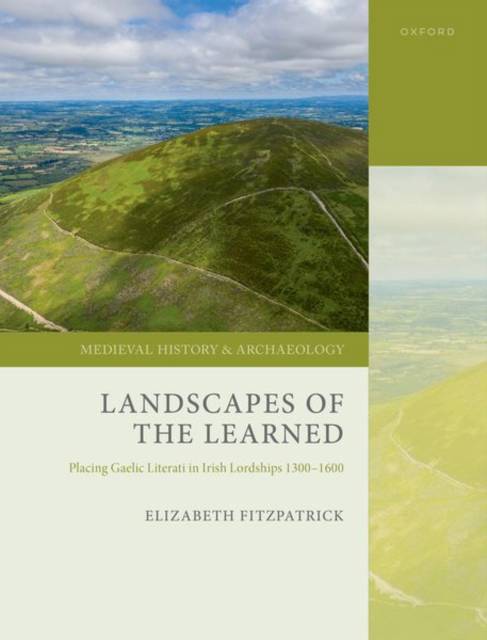
Landscapes of the Learned
Placing Gaelic Literati in Irish Lordships 1300-1600
Elizabeth Fitzpatrick
€ 185,45
+ 370 punten
Omschrijving
Gaelic literati were an elite and influential group in the social hierarchy of Irish lordships between c. 1300 and 1600. From their estates, they served Gaelic and Old English ruling families in the arts of history, law, medicine, and poetry. They farmed, kept guest-houses, conducted schools, and maintained networks of learning. In other capacities, they were involved in political assemblies and memorializing dynastic histories in landscape. This book presents a framework for identifying and interpreting the settings and built heritages of their estates in lordship borderscapes. It shows that a more textured definition of what this learned class represented can be achieved through the material record of the buildings and monuments they used, and where their lands were positioned in the political map. Where literati lived and worked are conceived as expressions of their intellectual and political cultures. Mediated by case studies of the landscapes of their estates, dwellings, and schools, the methodology is predominantly field based, using archaeological investigation and topographic and spatial analyses, and drawing on historical and literary texts, place-names and lore in referencing named people to places. More widely, the study contributes a landscape perspective to the growing body of work on autochthonous intellectual culture and the exercise of power by ruling families in late medieval and early modern northern European societies.
Specificaties
Betrokkenen
- Auteur(s):
- Uitgeverij:
Inhoud
- Aantal bladzijden:
- 384
- Taal:
- Engels
- Reeks:
Eigenschappen
- Productcode (EAN):
- 9780192855749
- Verschijningsdatum:
- 4/08/2023
- Uitvoering:
- Hardcover
- Formaat:
- Genaaid
- Afmetingen:
- 198 mm x 241 mm
- Gewicht:
- 997 g



Alleen bij Standaard Boekhandel
+ 370 punten op je klantenkaart van Standaard Boekhandel
Cadeau

AANGERADEN


Beoordelingen
We publiceren alleen reviews die voldoen aan de voorwaarden voor reviews. Bekijk onze voorwaarden voor reviews.