


- Afhalen na 1 uur in een winkel met voorraad
- Gratis thuislevering in België vanaf € 30
- Ruim aanbod met 7 miljoen producten
- Afhalen na 1 uur in een winkel met voorraad
- Gratis thuislevering in België vanaf € 30
- Ruim aanbod met 7 miljoen producten





€ 54,00
+ 108 punten
Omschrijving
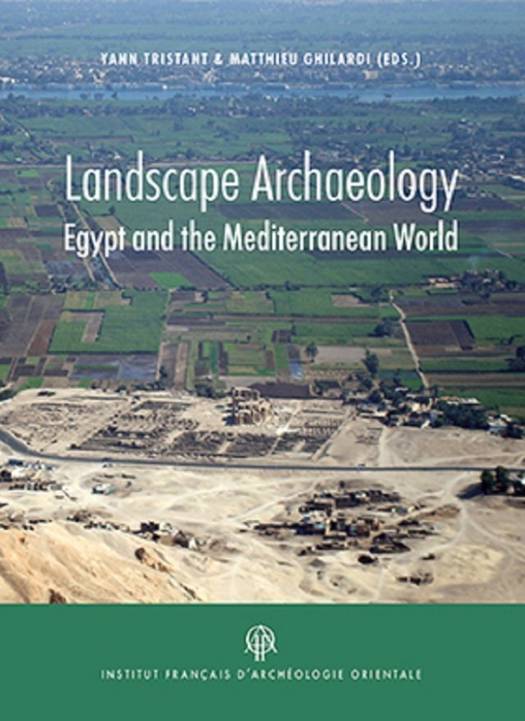
English summary: This book deals with the archeology of ancient landscapes in the Egyptian and Mediterranean regions. Geoarchaeological methodologies have emerged as a major component in any archaeological approaches to better understanding both the dynamics of the establishment of ancient environments and the variety of settlement patterns adopted by human societies. Thirteen contributions are grouped into four parts entitled "Geoarchaeology and reconstitution of the ancient landscape"; "Geographic Information Systems (GIS)"; "Historical Geography"; and "Geoarchaeology Case Studies". The examples highlighted in this book address the following themes: rural site formation; water management strategies; paleo-environment reconstruction; land occupation; and settlement location. The authors give an overview of the complex relationships between landscape dynamics and the logics of human occupation through the results of recent studies carried out in Egypt, Tunisia, Morocco, Greece and Portugal. French description: Le present ouvrage s'interesse a l'archeologie des paysages antiques, en Egypte et sur le pourtour mediterraneen. L'approche geoarcheologique s'est imposee comme une etape majeure de toute demarche archeologique pour mieux comprendre tant la dynamique du peuplement des milieux anciens que les differents systemes d'amenagements proposes par les societes humaines. Treize contributions sont regroupees dans quatre parties intitulees "Geoarcheologie et reconstitution des paysages anciens", "Systemes d'information geographiques (SIG)", "Geographie historique" et "Etudes de cas en geoarcheologie". Ces differents cas d'etude permettent d'aborder les questions suivantes: la formation de sites ruraux, les politiques de gestion de l'eau, la reconstitution des paleoenvironnements, l'occupation des territoires et la localisation du peuplement. Les auteurs dressent un panorama des relations complexes entre les dynamiques et les processus paysagers et les logiques d'occupation humaine a travers l'exemple d'etudes recentes menees en Egypte, en Tunisie, au Maroc, en Grece et au Portugal.
Specificaties
Betrokkenen
- Auteur(s):
- Uitgeverij:
Inhoud
- Aantal bladzijden:
- 296
- Taal:
- Frans, Engels
- Reeks:
- Reeksnummer:
- nr. 169
Eigenschappen
- Productcode (EAN):
- 9782724707083
- Verschijningsdatum:
- 1/01/2018
- Uitvoering:
- Hardcover
- Formaat:
- Genaaid
- Afmetingen:
- 201 mm x 279 mm
- Gewicht:
- 1156 g


Alleen bij Standaard Boekhandel
+ 108 punten op je klantenkaart van Standaard Boekhandel
CADEAU

AANGERADEN


Beoordelingen
We publiceren alleen reviews die voldoen aan de voorwaarden voor reviews. Bekijk onze voorwaarden voor reviews.