


- Afhalen na 1 uur in een winkel met voorraad
- Gratis thuislevering in België vanaf € 30
- Ruim aanbod met 7 miljoen producten
- Afhalen na 1 uur in een winkel met voorraad
- Gratis thuislevering in België vanaf € 30
- Ruim aanbod met 7 miljoen producten





€ 62,45
+ 124 punten
Omschrijving
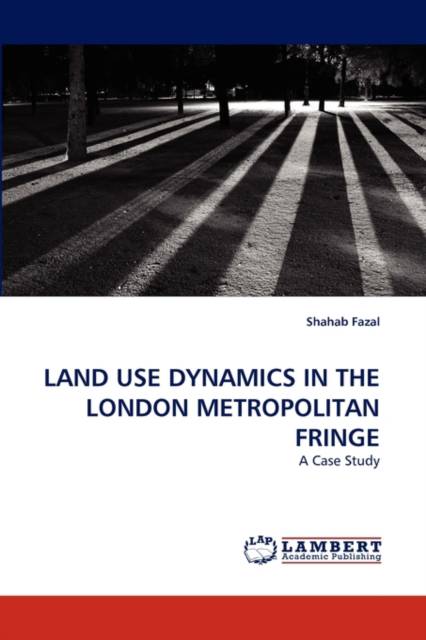
Land (use) transformation is one of the most important fields of human induced environmental transformation, with an extensive history dating back to antiquity. Land transformation did not abate but, rather, accelerated and diversified with the onset of the Industrial Revolution, the globalization of the world economy and the expansion of population and technological capacity. Land transformations, although localized, contribute to wider reaching, including globally systemic, processes. Cities depend on the rural areas around them in many ways. The traditional models of (agricultural) land use around urban settlements such as that of Von Thunen, illustrate the way in which settlements affected the surrounding countryside in the early stages of urban growth. Nearby land is used, depending on culture and level of economic activity, but they involve little urban land cover on the land. The proposed study tries to investigate the impact of urbanization on land use dynamics in selected areas of the urban fringes of London.
Specificaties
Betrokkenen
- Auteur(s):
- Uitgeverij:
Inhoud
- Aantal bladzijden:
- 92
- Taal:
- Engels
Eigenschappen
- Productcode (EAN):
- 9783838381350
- Verschijningsdatum:
- 19/07/2010
- Uitvoering:
- Paperback
- Afmetingen:
- 152 mm x 220 mm
- Gewicht:
- 145 g


Alleen bij Standaard Boekhandel
+ 124 punten op je klantenkaart van Standaard Boekhandel

Beoordelingen
We publiceren alleen reviews die voldoen aan de voorwaarden voor reviews. Bekijk onze voorwaarden voor reviews.