


- Afhalen na 1 uur in een winkel met voorraad
- Gratis thuislevering in België vanaf € 30
- Ruim aanbod met 7 miljoen producten
- Afhalen na 1 uur in een winkel met voorraad
- Gratis thuislevering in België vanaf € 30
- Ruim aanbod met 7 miljoen producten





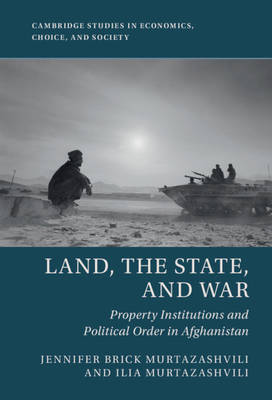
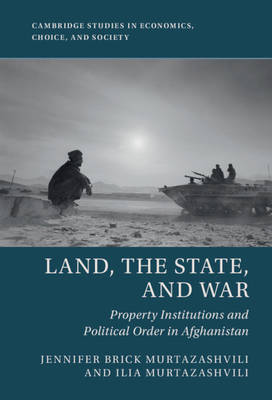
Land, the State, and War
Property Institutions and Political Order in Afghanistan
Jennifer Brick Murtazashvili, Ilia Murtazashvili
€ 191,95
+ 383 punten
Omschrijving
Although today's richest countries tend to have long histories of secure private property rights, legal-titling projects do little to improve the economic and political well-being of those in the developing world. This book employs a historical narrative based on secondary literature, fieldwork across thirty villages, and a nationally representative survey to explore how private property institutions develop, how they are maintained, and their relationship to the state and state-building within the context of Afghanistan. In this predominantly rural society, citizens cannot rely on the state to enforce their claims to ownership. Instead, they rely on community-based land registration, which has a long and stable history and is often more effective at protecting private property rights than state registration. In addition to contributing significantly to the literature on Afghanistan, this book makes a valuable contribution to the literature on property rights and state governance from the new institutional economics perspective.
Specificaties
Betrokkenen
- Auteur(s):
- Uitgeverij:
Inhoud
- Aantal bladzijden:
- 230
- Taal:
- Engels
- Reeks:
Eigenschappen
- Productcode (EAN):
- 9781108493413
- Verschijningsdatum:
- 9/09/2021
- Uitvoering:
- Hardcover
- Formaat:
- Genaaid
- Afmetingen:
- 152 mm x 229 mm
- Gewicht:
- 508 g


Alleen bij Standaard Boekhandel
+ 383 punten op je klantenkaart van Standaard Boekhandel
Cadeau

AANGERADEN


Beoordelingen
We publiceren alleen reviews die voldoen aan de voorwaarden voor reviews. Bekijk onze voorwaarden voor reviews.