


- Afhalen na 1 uur in een winkel met voorraad
- Gratis thuislevering in België vanaf € 30
- Ruim aanbod met 7 miljoen producten
- Afhalen na 1 uur in een winkel met voorraad
- Gratis thuislevering in België vanaf € 30
- Ruim aanbod met 7 miljoen producten





€ 20,95
+ 41 punten
Omschrijving
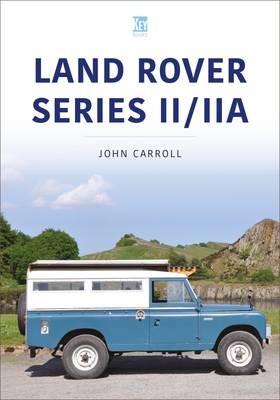
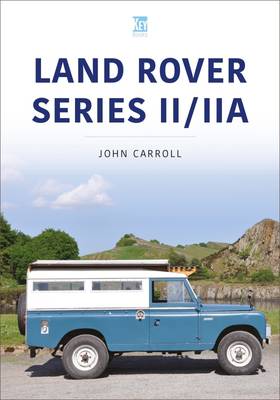
After ten years of production, the Solihull-manufactured Land Rover was established as a useful 4x4, popular with farmers, armies, and those whose employment took them far from the beaten track. Following a redesign, the Series II Land Rover was launched in April 1958. It was available in two wheelbases, with a choice of diesel or petrol engines and a variety of body styles including pick-ups and soft-tops and, aimed more at travel and people-carrying rather than agricultural work, short and long wheelbase Station Wagons. The main difference that identified the new Land Rovers at a glance was the radius pressed into the aluminum bodywork below the galvanized waist rail. This changed the Land Rover's appearance considerably and was a shape that endured until 2016 in the Land Rover Defender. The Series IIA was introduced in 1961 and through a production run that last until 1971, a succession of upgrades, mainly detail and cosmetic changes, followed.
The distinctive Station Wagon models - unofficially referred to as 'Safari' models - became popular with overland travelers and were often seen on location in TV nature programs, in National Geographic magazine and in the hands of aid agencies all of which promoted the Land Rover, which had most of the market to itself, especially in export markets such as Australasia and Africa.
The distinctive Station Wagon models - unofficially referred to as 'Safari' models - became popular with overland travelers and were often seen on location in TV nature programs, in National Geographic magazine and in the hands of aid agencies all of which promoted the Land Rover, which had most of the market to itself, especially in export markets such as Australasia and Africa.
Specificaties
Betrokkenen
- Auteur(s):
- Uitgeverij:
Inhoud
- Aantal bladzijden:
- 96
- Taal:
- Engels
- Reeks:
Eigenschappen
- Productcode (EAN):
- 9781913295967
- Verschijningsdatum:
- 18/08/2020
- Uitvoering:
- Paperback
- Formaat:
- Trade paperback (VS)
- Afmetingen:
- 170 mm x 243 mm
- Gewicht:
- 281 g


Alleen bij Standaard Boekhandel
+ 41 punten op je klantenkaart van Standaard Boekhandel
Cadeau

AANGERADEN


Beoordelingen
We publiceren alleen reviews die voldoen aan de voorwaarden voor reviews. Bekijk onze voorwaarden voor reviews.