


- Afhalen na 1 uur in een winkel met voorraad
- Gratis thuislevering in België vanaf € 30
- Ruim aanbod met 7 miljoen producten
- Afhalen na 1 uur in een winkel met voorraad
- Gratis thuislevering in België vanaf € 30
- Ruim aanbod met 7 miljoen producten





€ 191,95
+ 383 punten
Eenvoudig bestellen
Veilig betalen


Gratis thuislevering vanaf € 30 (via bpost)
Gratis levering in je Standaard Boekhandel
Omschrijving
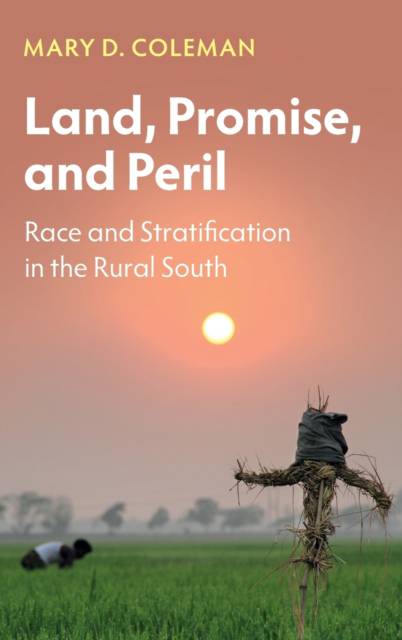
In Langston Hughes' 'Mother to Son, ' (1922), written at a time of dramatic disruption in the American economy and continued tyranny in the lives of Black people, urban and rural, the Mother pleads with the child not to give up. She tells the child that she has been 'a climbing on, reaching landings and turning corners.' Not only did the seven families chronicled in this unique study not give up, while both losing and gaining ground, they managed to sponsor a generation of children, several of whom reached the middle and upper-middle classes. Land, Promise, and Peril chronicles the actions, actors, and events that propelled legal racism and quelled it, showing how leadership and political institutions play a crucial role in shaping the pace and quality of exits from poverty. Despite great odds, some domestics, sharecroppers, tenants, and farmers and their children navigated pathways toward the middle class and beyond.
Specificaties
Betrokkenen
- Auteur(s):
- Uitgeverij:
Inhoud
- Aantal bladzijden:
- 418
- Taal:
- Engels
- Reeks:
Eigenschappen
- Productcode (EAN):
- 9781009182560
- Verschijningsdatum:
- 20/04/2023
- Uitvoering:
- Hardcover
- Formaat:
- Genaaid
- Afmetingen:
- 152 mm x 229 mm
- Gewicht:
- 725 g


Alleen bij Standaard Boekhandel
+ 383 punten op je klantenkaart van Standaard Boekhandel
CADEAU

AANGERADEN


Beoordelingen
We publiceren alleen reviews die voldoen aan de voorwaarden voor reviews. Bekijk onze voorwaarden voor reviews.