


- Afhalen na 1 uur in een winkel met voorraad
- Gratis thuislevering in België vanaf € 30
- Ruim aanbod met 7 miljoen producten
- Afhalen na 1 uur in een winkel met voorraad
- Gratis thuislevering in België vanaf € 30
- Ruim aanbod met 7 miljoen producten




€ 63,95
+ 127 punten
Uitvoering
Omschrijving
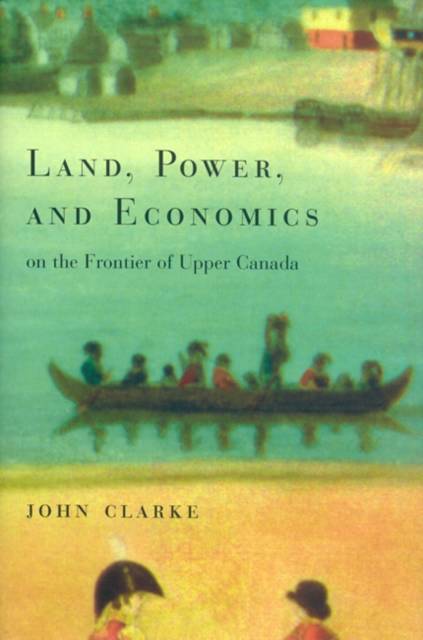
The prevailing ideology in Ontario at the time was a conservative culture that rejected everything American and attempted to preserve the best of the British world in the new Eden. Those building the state believed that a social and political hierarchy composed of those possessing a "natural virtue" would serve society best. In consequence, a few individuals at the top of the hierarchy, through their access to power, came to control the bulk of the land, the basis of the economy. At the other end of the spectrum from the elite were those transforming the land and themselves through their own labour. How did the physical environment and government land policy affect the pattern of settlement and the choice of land for a viable farm? What was the price of land, and how common was credit? Did the presence of reserved lands hinder or promote development? How extensive was land speculation and how did it operate? Clark brings these issues and more to the forefront, integrating concepts and substantive issues through a problem-oriented approach. Blending qualitative and quantitative approaches, he weaves together surveyors' records, personal and government correspondence, assessment rolls, and land records to measure the pulse of this pre-industrial society.
Specificaties
Betrokkenen
- Auteur(s):
- Uitgeverij:
Inhoud
- Aantal bladzijden:
- 792
- Taal:
- Engels
- Reeks:
- Reeksnummer:
- nr. 194
Eigenschappen
- Productcode (EAN):
- 9780773521940
- Verschijningsdatum:
- 8/05/2002
- Uitvoering:
- Paperback
- Formaat:
- Trade paperback (VS)
- Afmetingen:
- 160 mm x 231 mm
- Gewicht:
- 1047 g


Alleen bij Standaard Boekhandel
+ 127 punten op je klantenkaart van Standaard Boekhandel
AANGERADEN


Beoordelingen
We publiceren alleen reviews die voldoen aan de voorwaarden voor reviews. Bekijk onze voorwaarden voor reviews.