


- Afhalen na 1 uur in een winkel met voorraad
- Gratis thuislevering in België vanaf € 30
- Ruim aanbod met 7 miljoen producten
- Afhalen na 1 uur in een winkel met voorraad
- Gratis thuislevering in België vanaf € 30
- Ruim aanbod met 7 miljoen producten





€ 86,95
+ 173 punten
Omschrijving
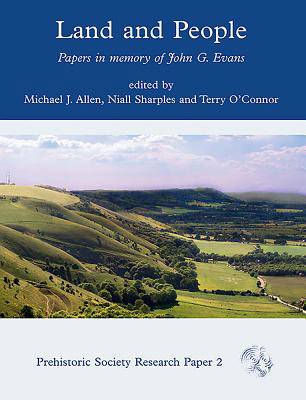
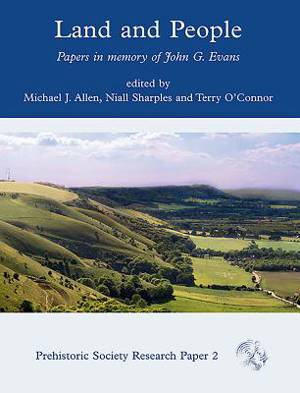
This volume is derived, in concept, from a conference held in honour of John Evans by the School of History and Archaeology and The Prehistoric Society at Cardiff University in March 2006. It brings together papers that address themes and landscapes on a variety of levels. They cover geographical, methodological and thematic areas that were of interest to, and had been studied by, John Evans. The volume is divided into five sections, which echo themes of importance in British prehistory. They include papers on aspects of environmental archaeology, experiments and philosophy; new research on the nature of woodland on the chalklands of southern England; coasts and islands; people, process and social order, and snails and shells - a strong part of John Evans' career. This volume presents a range of papers examining people's interaction with the landscape in all its forms. The papers provide a diverse but cohesive picture of how archaeological landscapes are viewed within current research frameworks and approaches, while also paying tribute to the innovative and inspirational work of one of the leading protagonists of environmental archaeology and the holistic approach to landscape interpretation.
Specificaties
Betrokkenen
- Auteur(s):
- Uitgeverij:
Inhoud
- Aantal bladzijden:
- 240
- Taal:
- Engels
- Reeks:
- Reeksnummer:
- nr. 2
Eigenschappen
- Productcode (EAN):
- 9781785707728
- Verschijningsdatum:
- 21/04/2017
- Uitvoering:
- Paperback
- Formaat:
- Trade paperback (VS)
- Afmetingen:
- 216 mm x 274 mm


Alleen bij Standaard Boekhandel
+ 173 punten op je klantenkaart van Standaard Boekhandel
Cadeau

AANGERADEN


Beoordelingen
We publiceren alleen reviews die voldoen aan de voorwaarden voor reviews. Bekijk onze voorwaarden voor reviews.