


- Afhalen na 1 uur in een winkel met voorraad
- Gratis thuislevering in België vanaf € 30
- Ruim aanbod met 7 miljoen producten
- Afhalen na 1 uur in een winkel met voorraad
- Gratis thuislevering in België vanaf € 30
- Ruim aanbod met 7 miljoen producten





€ 45,95
+ 91 punten
Omschrijving
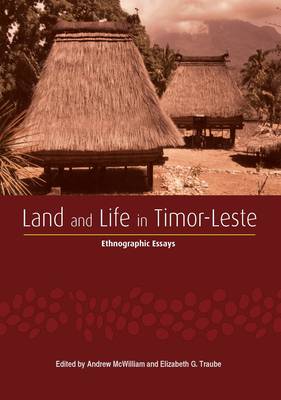
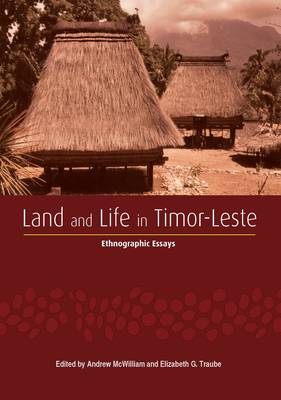
Following the historic 1999 popular referendum, East Timor emerged as the first independent sovereign nation of the 21st Century. The years since these momentous events have seen an efflorescence of social research across the country drawn by shared interests in the aftermath of the resistance struggle, the processes of social recovery and the historic opportunity to pursue field-based ethnography following the hiatus of research during 24 years of Indonesian rule (1975-99). This volume brings together a collection of papers from a diverse field of international scholars exploring the multiple ways that East Timorese communities are making and remaking their connections to land and places of ancestral significance. The work is explicitly comparative and highlights the different ways Timorese language communities negotiate access and transactions in land, disputes and inheritance especially in areas subject to historical displacement and resettlement. Consideration is extended to the role of ritual performance and social alliance for inscribing connection and entitlement. Emerging through analysis is an appreciation of how relations to land, articulated in origin discourses, are implicated in the construction of national culture and differential contributions to the struggle for independence. The volume is informed by a range of Austronesian cultural themes and highlights the continuing vitality of customary governance and landed attachment in Timor-Leste.
Specificaties
Betrokkenen
- Uitgeverij:
Inhoud
- Aantal bladzijden:
- 276
- Taal:
- Engels
- Reeks:
Eigenschappen
- Productcode (EAN):
- 9781921862595
- Verschijningsdatum:
- 1/12/2011
- Uitvoering:
- Paperback
- Formaat:
- Trade paperback (VS)
- Afmetingen:
- 176 mm x 250 mm
- Gewicht:
- 630 g

Alleen bij Standaard Boekhandel
+ 91 punten op je klantenkaart van Standaard Boekhandel
Cadeau

AANGERADEN


Beoordelingen
We publiceren alleen reviews die voldoen aan de voorwaarden voor reviews. Bekijk onze voorwaarden voor reviews.