


- Afhalen na 1 uur in een winkel met voorraad
- Gratis thuislevering in België vanaf € 30
- Ruim aanbod met 7 miljoen producten
- Afhalen na 1 uur in een winkel met voorraad
- Gratis thuislevering in België vanaf € 30
- Ruim aanbod met 7 miljoen producten





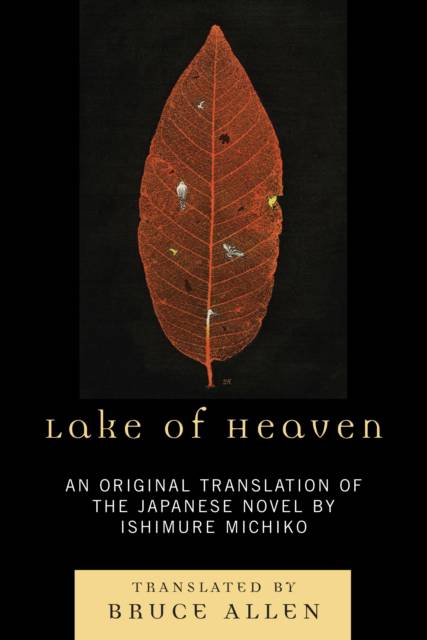
Lake of Heaven
An Original Translation of the Japanese Novel by Ishimure Michiko
€ 254,45
+ 508 punten
Omschrijving
Lake of Heaven is the story of a traditional mountain village in Japan that is destroyed in the process of constructing a dam. It tells of the lives of the displaced villagers as they struggle to retain their traditional culture-including their stories, dances, music, mythology, and dreams-in the face of displacement, environmental destruction, and rapid modernization. Although fictional, the work is rooted in the events of actual villages in the mountains of Kyushu and Ishimure's imaginative reconstructions of their people's tales. Lake of Heaven considerably stretches the familiar Western conceptions of the novel form. Its interweaving of local stories, dreams, and myths lends it a deep sense of the Noh Drama. Gary Snyder writes that Lake of Heaven is "a remarkable text of mythopoetic quality-with a Noh flavor-that presents much of the ancient lore of Japan and the lore of the spirit world." The story becomes a parable for the larger world, "in which all of our old cultures and all of our old villages are becoming buried, sunken, and lost under the rising waters of the dams of industrialization and globalization."
Specificaties
Betrokkenen
- Vertaler(s):
- Uitgeverij:
Inhoud
- Aantal bladzijden:
- 356
- Taal:
- Engels
- Reeks:
Eigenschappen
- Productcode (EAN):
- 9780739124628
- Verschijningsdatum:
- 1/09/2008
- Uitvoering:
- Hardcover
- Formaat:
- Genaaid
- Afmetingen:
- 155 mm x 229 mm
- Gewicht:
- 589 g

Alleen bij Standaard Boekhandel
+ 508 punten op je klantenkaart van Standaard Boekhandel
Cadeau

AANGERADEN


Beoordelingen
We publiceren alleen reviews die voldoen aan de voorwaarden voor reviews. Bekijk onze voorwaarden voor reviews.