


- Afhalen na 1 uur in een winkel met voorraad
- Gratis thuislevering in België vanaf € 30
- Ruim aanbod met 7 miljoen producten
- Afhalen na 1 uur in een winkel met voorraad
- Gratis thuislevering in België vanaf € 30
- Ruim aanbod met 7 miljoen producten





€ 33,45
+ 66 punten
Omschrijving
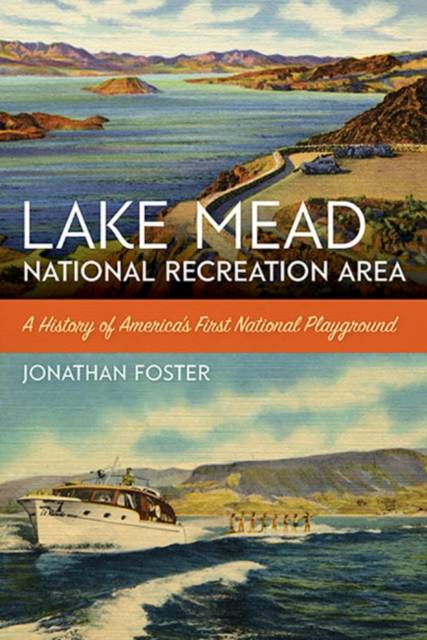
This book examines the creation, characteristics, and tribulations of the first United States National Recreation Area. It also addresses the National Park Service's historic role in managing reservoir-based recreation in a uniquely arid region. First named the Boulder Dam Recreation Area, this parkland was created in 1936 by a memorandum of agreement between the National Park Service and the U.S. Bureau of Reclamation. Over the course of its existence, the area has served as a model for a subsequent system of National Recreation Areas. The area's extreme popularity has, in combination with changing public attitudes regarding preservation and safety, presented the National Park Service with tremendous challenges in recent decades. Jonathan Foster's examination of these challenges and the responses to them reveal an increasingly anxious relationship between the government, the public, and special interest groups in the American West.
Specificaties
Betrokkenen
- Auteur(s):
- Uitgeverij:
Inhoud
- Aantal bladzijden:
- 176
- Taal:
- Engels
- Reeks:
Eigenschappen
- Productcode (EAN):
- 9781943859153
- Verschijningsdatum:
- 2/08/2016
- Uitvoering:
- Paperback
- Formaat:
- Trade paperback (VS)
- Afmetingen:
- 150 mm x 226 mm
- Gewicht:
- 272 g


Alleen bij Standaard Boekhandel
+ 66 punten op je klantenkaart van Standaard Boekhandel
Cadeau

AANGERADEN


Beoordelingen
We publiceren alleen reviews die voldoen aan de voorwaarden voor reviews. Bekijk onze voorwaarden voor reviews.