


- Afhalen na 1 uur in een winkel met voorraad
- Gratis thuislevering in België vanaf € 30
- Ruim aanbod met 7 miljoen producten
- Afhalen na 1 uur in een winkel met voorraad
- Gratis thuislevering in België vanaf € 30
- Ruim aanbod met 7 miljoen producten





€ 21,24
+ 21 punten
Uitvoering
Omschrijving
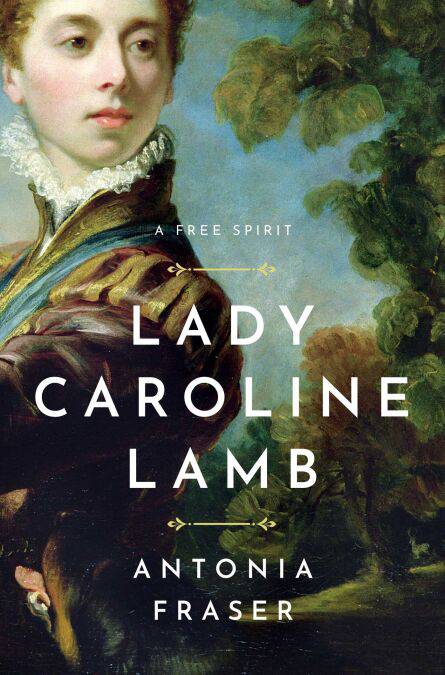
The vivid and dramatic life of Lady Caroline Lamb, whose scandalous love affair with Lord Byron overshadowed her own creativity and desire to break free from society's constraints.
From the outset, Caroline Lamb had a rebellious nature. From childhood she grew increasingly troublesome, experimenting with sedatives like laudanum, and she had a special governess to control her. She also had a merciless wit and talent for mimicry. She spoke French and German fluently, knew Greek and Latin, and sketched impressive portraits. As the niece of Georgiana, Duchess of Devonshire, she was already well connected, and her courtly skills resulted in her marriage to the Hon. William Lamb (later Lord Melbourne) at the age on nineteen. For a few years they enjoyed a happy marriage, despite Lamb's siblings and mother-in-law detesting her and referring to her as "the little beast."
In 1812 Caroline embarked on a well-publicised affair with the poet Lord Byron - he was 24, she 26. Her phrase "mad, bad and dangerous to know" became his lasting epitaph. When he broke things off, Caroline made increasingly public attempts to reunite. Her obsession came to define much of her later life, as well as influencing her own writing - most notably the Gothic novel Glenarvon - and Byron's.
Antonia Fraser's vividly compelling biography animates the life of 'a free spirit' who was far more than mad, bad and dangerous to know.
From the outset, Caroline Lamb had a rebellious nature. From childhood she grew increasingly troublesome, experimenting with sedatives like laudanum, and she had a special governess to control her. She also had a merciless wit and talent for mimicry. She spoke French and German fluently, knew Greek and Latin, and sketched impressive portraits. As the niece of Georgiana, Duchess of Devonshire, she was already well connected, and her courtly skills resulted in her marriage to the Hon. William Lamb (later Lord Melbourne) at the age on nineteen. For a few years they enjoyed a happy marriage, despite Lamb's siblings and mother-in-law detesting her and referring to her as "the little beast."
In 1812 Caroline embarked on a well-publicised affair with the poet Lord Byron - he was 24, she 26. Her phrase "mad, bad and dangerous to know" became his lasting epitaph. When he broke things off, Caroline made increasingly public attempts to reunite. Her obsession came to define much of her later life, as well as influencing her own writing - most notably the Gothic novel Glenarvon - and Byron's.
Antonia Fraser's vividly compelling biography animates the life of 'a free spirit' who was far more than mad, bad and dangerous to know.
Specificaties
Betrokkenen
- Auteur(s):
- Uitgeverij:
Inhoud
- Aantal bladzijden:
- 224
- Taal:
- Engels
Eigenschappen
- Productcode (EAN):
- 9781639364060
- Verschijningsdatum:
- 5/06/2023
- Uitvoering:
- E-book
- Beveiligd met:
- Adobe DRM
- Formaat:
- ePub


Alleen bij Standaard Boekhandel
+ 21 punten op je klantenkaart van Standaard Boekhandel
Cadeau

AANGERADEN


Beoordelingen
We publiceren alleen reviews die voldoen aan de voorwaarden voor reviews. Bekijk onze voorwaarden voor reviews.