


- Afhalen na 1 uur in een winkel met voorraad
- Gratis thuislevering in België vanaf € 30
- Ruim aanbod met 7 miljoen producten
- Afhalen na 1 uur in een winkel met voorraad
- Gratis thuislevering in België vanaf € 30
- Ruim aanbod met 7 miljoen producten





€ 34,95
+ 69 punten
Omschrijving
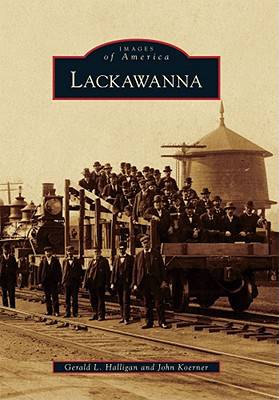
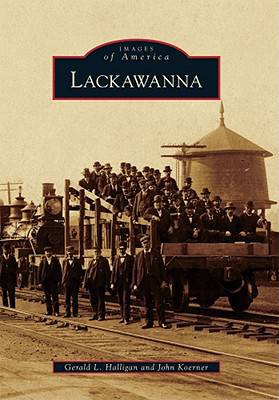
Known locally as Limestone Hill and later called the Steel Plant District, Lackawanna, New York, was formed from the westernmost part of the town of West Seneca in 1909. The new city derived its name from the Lackawanna Steel Company that had moved from Scranton, Pennsylvania, at the beginning of the 20th century. An industrial future would burn brightly for several decades, and charitable institutions begun by the Roman Catholic Church prospered under the guidance of a humble man known as the Padre of the Poor, Rev. Nelson H. Baker. His work outlasted the great steel-making plant, but both charity and industry would make the Steel City known worldwide. The term melting pot characterized Lackawanna, for its steel industry lured a tremendous workforce composed of various nationalities, ethnic groups, races, and creeds, all striving for the American Dream.
Specificaties
Betrokkenen
- Auteur(s):
- Uitgeverij:
Inhoud
- Aantal bladzijden:
- 128
- Taal:
- Engels
- Reeks:
Eigenschappen
- Productcode (EAN):
- 9780738575117
- Verschijningsdatum:
- 13/06/2011
- Uitvoering:
- Paperback
- Formaat:
- Trade paperback (VS)
- Afmetingen:
- 165 mm x 234 mm
- Gewicht:
- 294 g


Alleen bij Standaard Boekhandel
+ 69 punten op je klantenkaart van Standaard Boekhandel
AANGERADEN


Beoordelingen
We publiceren alleen reviews die voldoen aan de voorwaarden voor reviews. Bekijk onze voorwaarden voor reviews.