


- Afhalen na 1 uur in een winkel met voorraad
- Gratis thuislevering in België vanaf € 30
- Ruim aanbod met 7 miljoen producten
- Afhalen na 1 uur in een winkel met voorraad
- Gratis thuislevering in België vanaf € 30
- Ruim aanbod met 7 miljoen producten





€ 119,45
+ 238 punten
Omschrijving
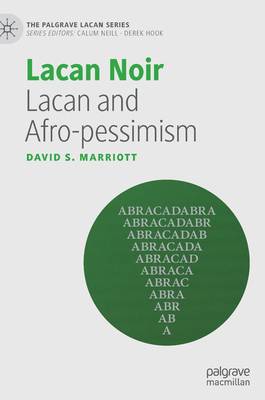
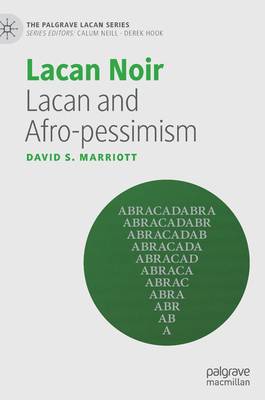
This book explores how Jacques Lacan has influenced Black Studies from the 1950s to the present day, and in turn how a Black Studies framework challenges the topographies of Lacanianism in its understanding of race. David Marriott examines how a contemporary Black Studies perspective might respond to the psychoanalysis of race by taking advantage of the recent revitalization of Lacanianism in its speculative, metaphysical form. While the philosophical side of the debate makes a plea for a new universalism, this book proposes a Lacanian reassessment of the notion of race, a notion distinct from culture, language, religion, and identity. It argues that it is possible to re-establish the theoretical relation between capitalism, anti-blackness, and colonialism, by reassessing the links between Lacanian psychoanalysis and three main domains of black inquiry: mastery, knowledge, and embodiment. The book offers a strikingly original rereading of the place of Lacan in both Fanon Studies and Afro-pessimism. It will appeal to students and scholars of Black Studies, Cultural Studies, Critical Theory and Philosophy.
Specificaties
Betrokkenen
- Auteur(s):
- Uitgeverij:
Inhoud
- Aantal bladzijden:
- 182
- Taal:
- Engels
- Reeks:
Eigenschappen
- Productcode (EAN):
- 9783030749774
- Verschijningsdatum:
- 3/07/2021
- Uitvoering:
- Hardcover
- Formaat:
- Genaaid
- Afmetingen:
- 148 mm x 210 mm
- Gewicht:
- 394 g


Alleen bij Standaard Boekhandel
+ 238 punten op je klantenkaart van Standaard Boekhandel
Cadeau

AANGERADEN


Beoordelingen
We publiceren alleen reviews die voldoen aan de voorwaarden voor reviews. Bekijk onze voorwaarden voor reviews.