


- Afhalen na 1 uur in een winkel met voorraad
- Gratis thuislevering in België vanaf € 30
- Ruim aanbod met 7 miljoen producten
- Afhalen na 1 uur in een winkel met voorraad
- Gratis thuislevering in België vanaf € 30
- Ruim aanbod met 7 miljoen producten





€ 296,95
+ 593 punten
Omschrijving
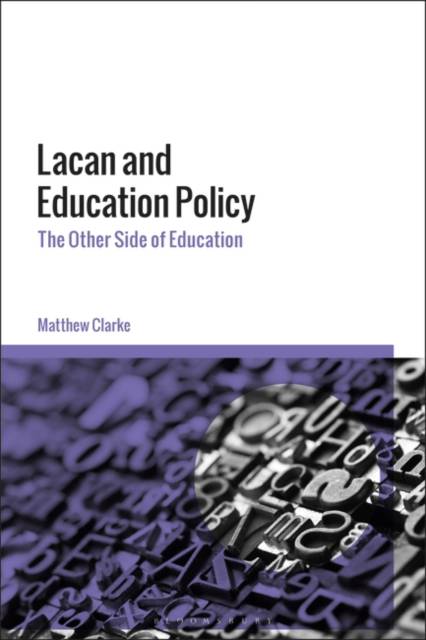
Lacan and Education Policy draws on the rich conceptual resources of Lacanian psychoanalysis. Using Lacan's four discourses Matthew Clarke offers a sophisticated critique of recent education policy and the neoliberal model of political economy within which it sits, including the ways in which education has been diminished and trivialised through the economistic and depoliticising moves of policy. Clarke articulates possibilities for thinking differently about education and education policy beyond the reductive narratives of neoliberalism. He argues that psychoanalytic theory is valuable, not so much for allowing us to see what education 'really is', but for offering insights into what prevents education from 'being', enabling us to shift our focus instead into the possibilities education offers as a space of 'becoming'. The book suggests possibilities for conceptualising and creating 'the other side' of education.
Specificaties
Betrokkenen
- Auteur(s):
- Uitgeverij:
Inhoud
- Aantal bladzijden:
- 192
- Taal:
- Engels
Eigenschappen
- Productcode (EAN):
- 9781350070554
- Verschijningsdatum:
- 13/06/2019
- Uitvoering:
- Hardcover
- Formaat:
- Genaaid
- Afmetingen:
- 155 mm x 236 mm
- Gewicht:
- 430 g


Alleen bij Standaard Boekhandel
+ 593 punten op je klantenkaart van Standaard Boekhandel
AANGERADEN


Beoordelingen
We publiceren alleen reviews die voldoen aan de voorwaarden voor reviews. Bekijk onze voorwaarden voor reviews.