


- Afhalen na 1 uur in een winkel met voorraad
- Gratis thuislevering in België vanaf € 30
- Ruim aanbod met 7 miljoen producten
- Afhalen na 1 uur in een winkel met voorraad
- Gratis thuislevering in België vanaf € 30
- Ruim aanbod met 7 miljoen producten





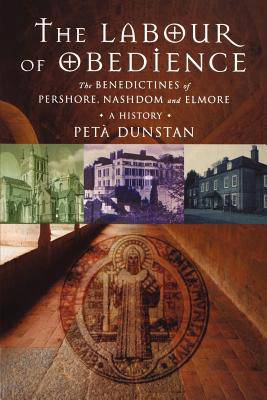
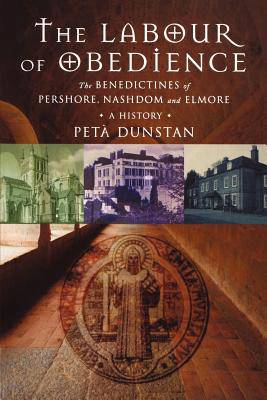
Labour of Obedience
The Benedictines of Pershore, Nashdom and Elmore, a History
Peta Dunstan
Paperback | Engels
€ 48,95
+ 97 punten
Omschrijving
This important study of key Anglican Benedictine Communities in the first half of the 20th century provides a vital record of how the Anglican Communion dealt with an issue that was as divisive in its day as today's disputes over sexuality and women bishops, and explores the origins of the influential Anglican Papalism movement. It was the heyday of Anglo-Catholicism in the Church of England. Religious life was flourishing for the first time since the Reformation. The first shock came when the Abbot of Caldey, a flamboyant character noted for luxurious tastes, and his monks went over to Rome. Nashdom - the great Benedictine community to which Gregory Dix belonged and, in many ways, the ultimate expression of Anglo-Catholicism - threatened to do likewise over the crisis of the Church of South India where the very idea of priestly ordination and identity was being challenged. Thanks to Archbishop William Temple the crisis was averted, the monks of Nashdom stayed and the scene was set for Anglican Papalism to enter the stage.
Specificaties
Betrokkenen
- Auteur(s):
- Uitgeverij:
Inhoud
- Aantal bladzijden:
- 230
- Taal:
- Engels
Eigenschappen
- Productcode (EAN):
- 9781853119743
- Verschijningsdatum:
- 30/06/2009
- Uitvoering:
- Paperback
- Formaat:
- Trade paperback (VS)
- Afmetingen:
- 173 mm x 239 mm
- Gewicht:
- 326 g


Alleen bij Standaard Boekhandel
+ 97 punten op je klantenkaart van Standaard Boekhandel

Beoordelingen
We publiceren alleen reviews die voldoen aan de voorwaarden voor reviews. Bekijk onze voorwaarden voor reviews.