


- Afhalen na 1 uur in een winkel met voorraad
- Gratis thuislevering in België vanaf € 30
- Ruim aanbod met 7 miljoen producten
- Afhalen na 1 uur in een winkel met voorraad
- Gratis thuislevering in België vanaf € 30
- Ruim aanbod met 7 miljoen producten





€ 80,45
+ 160 punten
Omschrijving
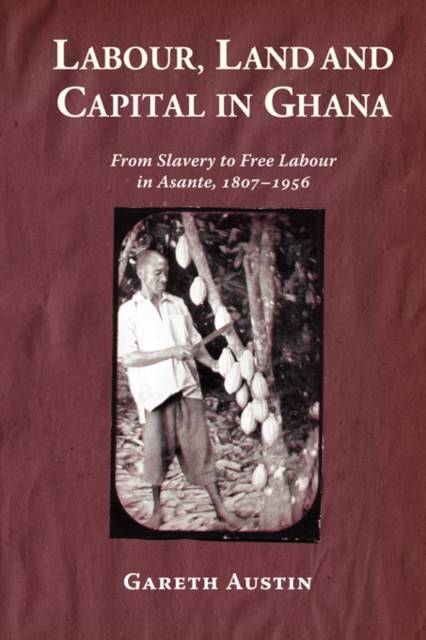
This is a study of the changing rules and relationships within which natural, human and man-made resources were mobilized for production during the development of an agricultural export economy in Asante, a major West African kingdom which became, by 1945, the biggest regional contributor to Ghana's status as the world's largest cocoa producer. The period 1807-1956 as a whole was distinguished in Asante history by relatively favorable political conditions for indigenous as well as (during colonial rule) for foreign private enterprise. It saw generally increasing external demands for products that could be produced on Asante land. This book, which fills a major gap in Asante economic history, transcends the traditional divide between studies of precolonial and of twentieth-century African history. It analyses the interaction of coercion and the market in the context of a rich but fragile natural environment, the central process being a transition from slavery and debt-bondage to hired labor and agricultural indebtedness. It contributes to the broad debate about Africa's historic combination of emerging 'capitalist' institutions and persistent 'precapitalist' ones, and tests the major theories of the political economy of institutional change. It is written accessibly for an inter-disciplinary readership. Gareth Austin is a Lecturer in Economic History, London School of Economics and Political Science, and Joint Editor of the Journal of African History
Specificaties
Betrokkenen
- Auteur(s):
- Uitgeverij:
Inhoud
- Aantal bladzijden:
- 614
- Taal:
- Engels
- Reeks:
- Reeksnummer:
- nr. 18
Eigenschappen
- Productcode (EAN):
- 9781580463157
- Verschijningsdatum:
- 21/12/2008
- Uitvoering:
- Paperback
- Formaat:
- Trade paperback (VS)
- Afmetingen:
- 152 mm x 229 mm
- Gewicht:
- 811 g


Alleen bij Standaard Boekhandel
+ 160 punten op je klantenkaart van Standaard Boekhandel
Cadeau

AANGERADEN


Beoordelingen
We publiceren alleen reviews die voldoen aan de voorwaarden voor reviews. Bekijk onze voorwaarden voor reviews.