


- Afhalen na 1 uur in een winkel met voorraad
- Gratis thuislevering in België vanaf € 30
- Ruim aanbod met 7 miljoen producten
- Afhalen na 1 uur in een winkel met voorraad
- Gratis thuislevering in België vanaf € 30
- Ruim aanbod met 7 miljoen producten





€ 35,45
+ 70 punten
Omschrijving
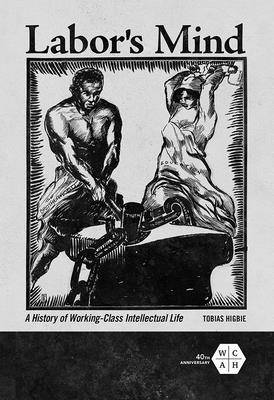
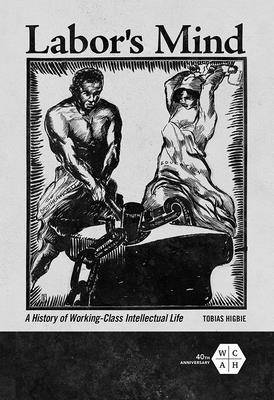
Business leaders, conservative ideologues, and even some radicals of the early twentieth century dismissed working people's intellect as stunted, twisted, or altogether missing. They compared workers toiling in America's sprawling factories to animals, children, and robots. Working people regularly defied these expectations, cultivating the knowledge of experience and embracing a vibrant subculture of self-education and reading. Labor's Mind uses diaries and personal correspondence, labor college records, and a range of print and visual media to recover this social history of the working-class mind. As Higbie shows, networks of working-class learners and their middle-class allies formed nothing less than a shadow labor movement. Dispersed across the industrial landscape, this movement helped bridge conflicts within radical and progressive politics even as it trained workers for the transformative new unionism of the 1930s. Revelatory and sympathetic, Labor's Mind reclaims a forgotten chapter in working-class intellectual life while mapping present-day possibilities for labor, higher education, and digitally enabled self-study.
Specificaties
Betrokkenen
- Auteur(s):
- Uitgeverij:
Inhoud
- Aantal bladzijden:
- 234
- Taal:
- Engels
- Reeks:
Eigenschappen
- Productcode (EAN):
- 9780252084027
- Verschijningsdatum:
- 30/12/2018
- Uitvoering:
- Paperback
- Formaat:
- Trade paperback (VS)
- Afmetingen:
- 150 mm x 226 mm
- Gewicht:
- 340 g


Alleen bij Standaard Boekhandel
+ 70 punten op je klantenkaart van Standaard Boekhandel
Cadeau

AANGERADEN


Beoordelingen
We publiceren alleen reviews die voldoen aan de voorwaarden voor reviews. Bekijk onze voorwaarden voor reviews.