


- Afhalen na 1 uur in een winkel met voorraad
- Gratis thuislevering in België vanaf € 30
- Ruim aanbod met 7 miljoen producten
- Afhalen na 1 uur in een winkel met voorraad
- Gratis thuislevering in België vanaf € 30
- Ruim aanbod met 7 miljoen producten





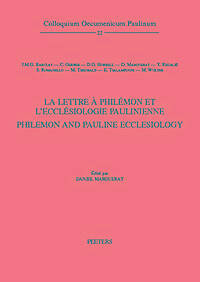
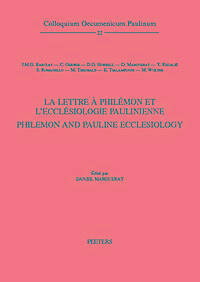
La lettre à Philémon et l'ecclésiologie paulinienne. Philemon and Pauline Ecclesiology
€ 68,00
+ 136 punten
Omschrijving
English summary: The book collects the essays presented for the Colloquium Oecumenicum Paulinum 2014 in Rome. The authors are famous catholic, protestant and orthodox scholars. Contents include: analysis of the text of the letter as well as social and theological topics (slavery in ancient world, socio-economical status, koinonia and social dynamics, ethics and justification by faith). A history of reading of the letter introduces the book. French description: Le Colloque oecumenique paulinien presente dans ce livre les travaux de sa session 2014, tenue en l'Abbaye de Saint-Paul-hors-les murs a Rome. Ce groupe d'exegetes renommes, catholiques, protestants et orthodoxes, presente une approche interconfessionnelle de la lettre a Philemon. Outre l'exegese de l'epitre, des thematiques sociales ou theologiques sont abordees: l'esclavage dans le monde de Paul (Gerber), le statut socio-economique de Philemon (Horrell), koinonia et dynamique sociale (Barclay), ethique de Paul et justification par la foi (Wolter). La lettre est replacee dans le cadre large de la theologie de Paul, en particulier 1 Co 7 et Ga 3 (Tsalampouni; Redalie). En introduction, l'histoire de sa lecture est presentee (Marguerat).
Specificaties
Betrokkenen
- Uitgeverij:
Inhoud
- Aantal bladzijden:
- 218
- Taal:
- Frans
- Reeks:
- Reeksnummer:
- nr. 22
Eigenschappen
- Productcode (EAN):
- 9789042933484
- Verschijningsdatum:
- 16/09/2016
- Uitvoering:
- Paperback
- Formaat:
- Trade paperback (VS)
- Afmetingen:
- 170 mm x 240 mm
- Gewicht:
- 385 g

Alleen bij Standaard Boekhandel
+ 136 punten op je klantenkaart van Standaard Boekhandel
Cadeau

AANGERADEN


Beoordelingen
We publiceren alleen reviews die voldoen aan de voorwaarden voor reviews. Bekijk onze voorwaarden voor reviews.