


- Afhalen na 1 uur in een winkel met voorraad
- Gratis thuislevering in België vanaf € 30
- Ruim aanbod met 7 miljoen producten
- Afhalen na 1 uur in een winkel met voorraad
- Gratis thuislevering in België vanaf € 30
- Ruim aanbod met 7 miljoen producten




€ 18,45
+ 36 punten
Omschrijving
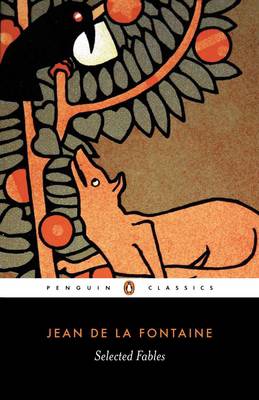
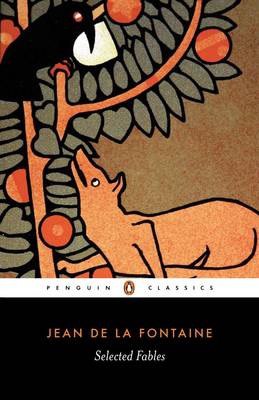
Jean de la Fontaine (1621-95) freely plundered the works of Aesop Phaedrus Bidpai and others to transform the world's great fables into charming poems of astonishing originality wit and verve. Here he depicts lions frogs donkeys rats insects birds and wily foxes in situations that reveal the quirks follies and frailties he observed in humankind. Sins of pride greed and vanity come under humorous attack - a cunning fox tricks a crow out of his dinner an arrogant hare loses a race to a steady tortoise a merry cicada who sings all summer finds herself hungry in winter and the goddess Juno scolds a peacock who covets a nightingale's song. But faith in human nature can also be found in poems such as those in which a wolf is saved from choking by a helpful stork demonstrating an engaging belief in the possibilities of redemption.
Specificaties
Betrokkenen
- Auteur(s):
- Illustrator(s):
- Uitgeverij:
Inhoud
- Aantal bladzijden:
- 304
- Taal:
- Engels
- Reeks:
Eigenschappen
- Productcode (EAN):
- 9780140455243
- Verschijningsdatum:
- 30/03/2006
- Uitvoering:
- Paperback
- Formaat:
- Trade paperback (VS)
- Afmetingen:
- 129 mm x 197 mm
- Gewicht:
- 226 g


Alleen bij Standaard Boekhandel
+ 36 punten op je klantenkaart van Standaard Boekhandel
CADEAU

AANGERADEN


Beoordelingen
We publiceren alleen reviews die voldoen aan de voorwaarden voor reviews. Bekijk onze voorwaarden voor reviews.